January was an exceptionally difficult month for the fruit and vegetable market, marked by a sharp decline in consumption. Many believe that consumers started the year with less spending power than in previous years, negatively impacting the entire sector, including the tropical and specialty produce segment, which saw a significant decline.
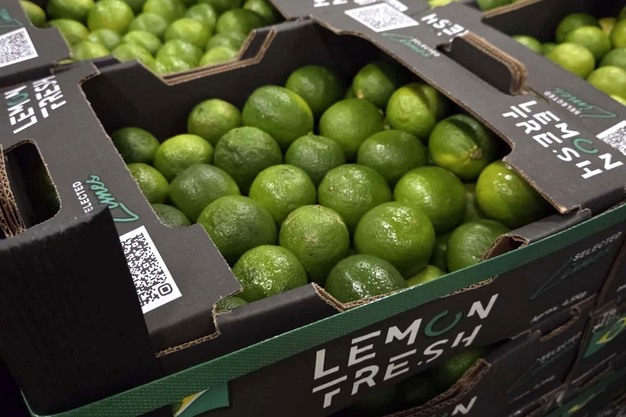
"The market has been marked by high volatility and speculative phenomena. For example, the price of limes suddenly jumped from €7-8 to €12-13, reaching a peak of €14-15. A sharp reduction in imports, linked to climatic issues in Brazil, caused a shortage of limes. "The shortage was so severe that importers had to use more expensive air transport," says Giorgio Donnarumma, Nuovafrutta's sales manager. "It was an unsustainable situation because lime consumption in January is primarily limited to the catering industry, which cannot support such high prices as would be the case in the summer. In fact, the speculative bubble has already begun to deflate. Purchase prices have fallen back into the €9–10 range and are expected to fall further and faster."
 © Giorgio Donnarumma
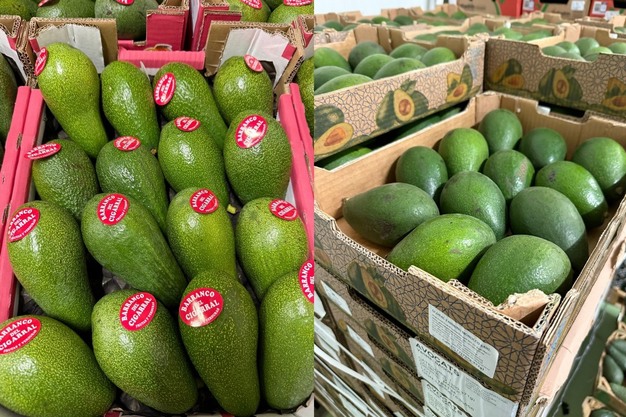
The purchase price of avocados, particularly the Hass variety, remains high due to climate issues and a reduced supply from major production areas, such as Morocco, Spain, and Israel. Morocco's campaign has been negatively impacted by weather issues, which have been exacerbated by potential speculation from Moroccan exporters due to low competition. Prices remain high, never falling below €15. Supply is limited on several fronts: Israel ships few products, Colombia and other origins have limited availability, Mexico has yet to start its campaign, and Spain is experiencing an uneven season due to bad weather.
 © Giorgio Donnarumma
Regarding the Greenskin avocado, Donnarumma says, "Good quality gauges cost between €11 and €12, so the price is high. Larger sizes, such as size 10, are slightly cheaper." Israel is the primary supplier of the Pinkerton variety. Despite the high prices, consumption is low, and the market has flattened out over the last two weeks. The typical avocado rush of other periods is absent."
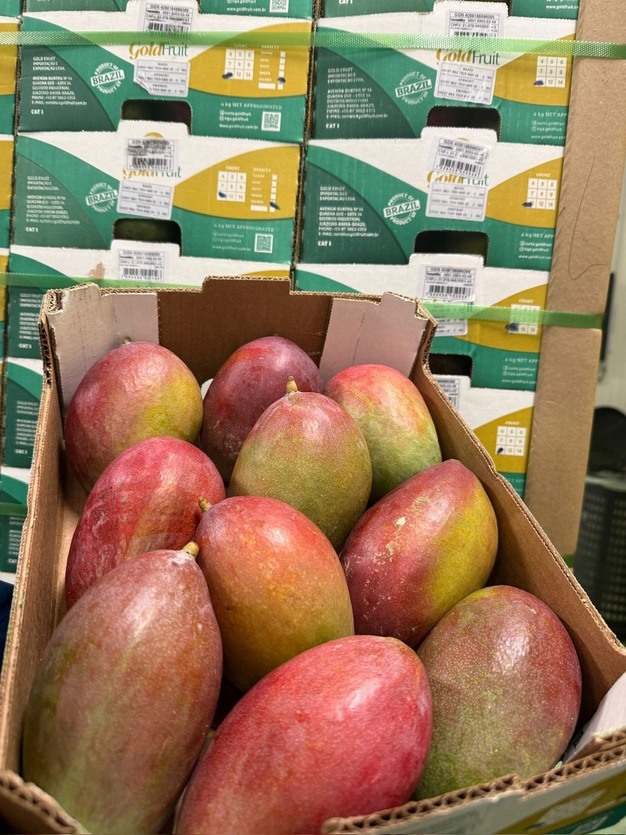 © Giorgio DonnarummaPrices for imported mangoes have risen due to low imports from Brazil and Peru. After stabilizing around Christmas, the purchase price of the Tommy Atkins and Kent varieties increased again, reaching between €6.50 and €7.50. Low consumption prevented prices from rising further. "Had demand been stronger, the increase would have been more pronounced," points out Donnarumma.
Other products
"Unlike last year, when products such as plantains and cassava sold well despite the high prices, the tropical and specialty market has collapsed this year. For instance, the purchase price of plantains has dropped from €45–50 per box around Christmas to €25 today — nearly half," says Donnarumma.
 © Giorgio Donnarumma
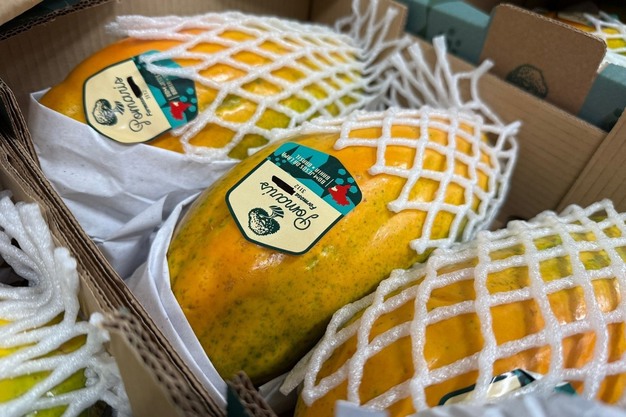
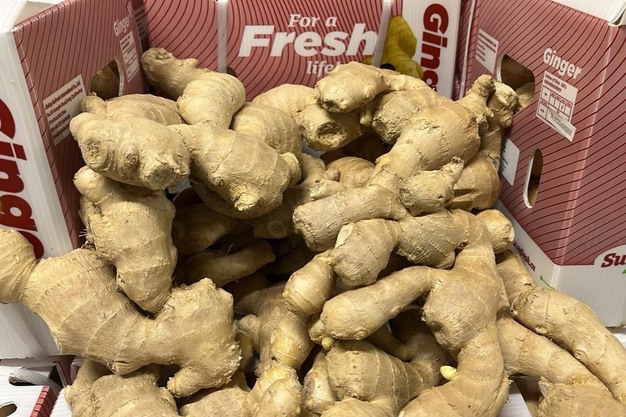
On the topic of papayas, the quality of Brazilian papayas has dropped dramatically in recent weeks due to rainfall and low temperatures. This fruit is much more sensitive to these conditions than others. However, the market is bucking the trend for ginger, which looks good and is consistent. The Brazilian season is almost over, creating a favorable window for Chinese ginger. Purchase prices are €2.30–€2.40 per 10 kg crate. The new crop of Chinese ginger will arrive in about a month. In this case, purchase prices were €2.60–€2.70 per 5 kg crate.
 © Giorgio Donnarumma
The impact of Ramadan and the uncertainty over avocados
The main hope for a recovery in consumption is tied to the arrival of Ramadan, which is scheduled to begin on 17 February and end on 19 March this year. "Historically, this period generates positive demand for tropical products such as plantains, cassava, ochre, dates, avocados, and mangoes, as well as more traditional products like salads, tomatoes, and lemons," explains Donnarumma.
The main question mark is the short-term future of the avocado market. "In an optimistic scenario, some operators are confident that more avocados will arrive from Colombia and other countries starting in mid-February, which could increase supply and improve the price situation. In the worst-case scenario, however, there is a real fear that Morocco, which has shipped fewer fruits than expected so far, could flood the market with large quantities all at once. This would cause prices to plummet at the end of February when consumption has not yet peaked. The general preference is for a diluted supply over time rather than a concentrated one. A more active market is preferable in April than in mid-February," concludes the sales manager.
For more information:
Nuovafrutta
Via Cesare Lombroso, 54
20137 Milan - Italy
[email protected]