China's pre–Chinese New Year citrus export season is drawing to a close about two weeks earlier than usual. According to Mr. Chen, General Manager of IsFresh (Xiamen), the main reason is extended customs clearance times in destination markets.
"Port Klang in Malaysia has introduced a requirement for random sampling inspections on each container, resulting in a backlog of containers awaiting inspection at the terminal and extending customs clearance by two to three days. At the same time, Singapore's port is also experiencing longer waiting times due to high cargo volumes. To ensure sufficient selling time for citrus ahead of the Chinese New Year, most domestic exporters chose to ship earlier, bringing the peak export season to an early end. Meanwhile, shipments to the Indonesian market have not yet started in January, as the new import quota for the new year has not been announced," he explained.
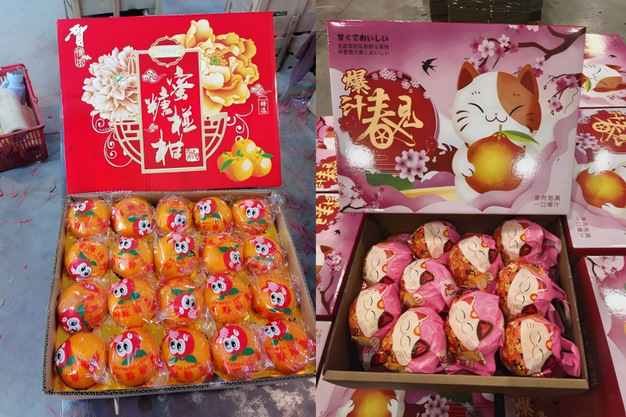
Commenting on this season's citrus market, Mr. Chen noted that prices are generally lower than during the same period in previous years. "This season, Wogan and Papagan oranges entered the market earlier than usual. Together with Lugan oranges, which are currently in season, the main export varieties arrived almost simultaneously. This overlap is a key reason behind the overall price decline. Both export prices and order volumes have decreased. Across all grades, citrus prices have generally fallen by about half a grade, with the most pronounced declines seen in larger fruit. For example, the price of #80 fruit is now only slightly higher than that of #70 fruit in previous years."
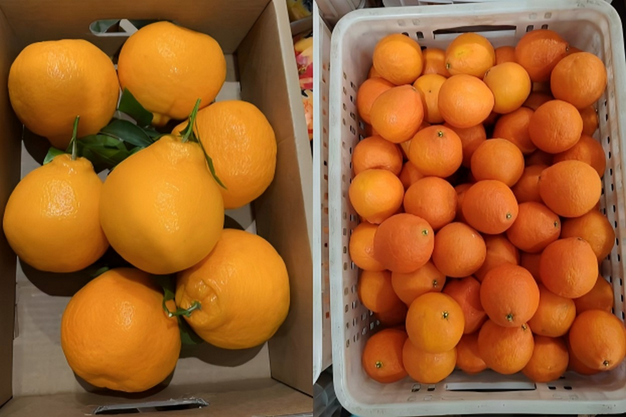
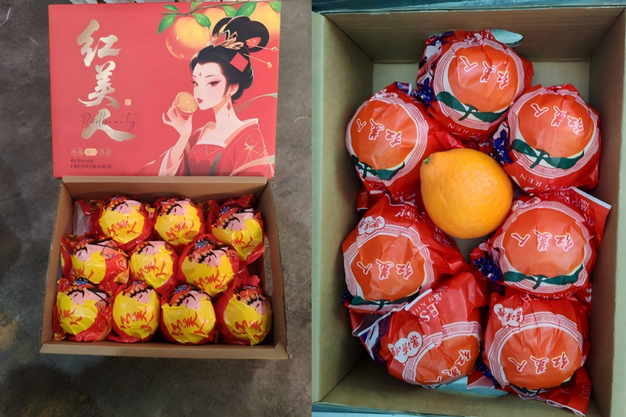
In terms of variety performance, the market shows clear differentiation. "Demand for Lugan oranges and Hongmeiren oranges is relatively strong, with Hongmeiren performing even better than in previous years. This is mainly because both varieties are currently at their peak season and offer good flavor. In contrast, Wogan and Papagan oranges are still in the early stage of their season, and their taste has yet to fully develop, resulting in slower sales. That said, due to the rising popularity of Papagan oranges in recent years, some export orders have gradually shifted from Lugan to Papagan," Mr. Chen added.
In addition to citrus, grapes are another key export product for IsFresh (Xiamen). Mr. Chen highlighted an unusual trend this season: "In previous years, overseas demand for Chinese grapes was relatively weak at this time of year, but this season, demand is exceptionally strong, with buyers willing to pay higher prices. Export demand is currently robust, but supply is tight. In some cases, available inventory does not meet preferred export packaging specifications, which has driven prices sharply higher. In certain producing areas, grape prices have nearly doubled."
"At present, the market mainly requires Crimson and red grape varieties. Suppliers with stock that meets export specifications are welcome to contact us," he added.
IsFresh (Xiamen) mainly exports citrus fruits and grapes, as well as mangoes, avocados, pomegranates, and persimmons. Its key export markets include Malaysia, Singapore, the Philippines, and Indonesia, primarily serving supermarket channels.