Australian table grape harvesting has started, with most volumes destined for export markets, primarily in Asia. Despite several heatwave periods, the sector expects a broad mix of varieties and consistent fruit quality for the 2025/26 season.
According to Australian Table Grape Association chief executive Jeff Scott, the outlook has been influenced by the first season of full varietal access to Japan. "It's still early days, but we've done our trade briefings in about five or six countries now in Asia, and the indications are that the demand is going to be very strong again," he said.
Previously, Australia was limited to exporting three table grape varieties to Japan: Crimson Seedless, Red Globe, and Thompson Seedless. Following the removal of a trade barrier, exporters can now supply more than 130 varieties. "Japan last year increased its exports by 300 per cent," Mr Scott said. Export volumes rose from about 3,500 tons to nearly 10,000 tons. Australia first exported table grapes to Japan in 2014 under an existing free trade agreement.
Mr Scott also noted that the Australian Table Grape Association is one of nine horticultural commodity groups included in the federal government's Trade Diversification Network. "It might mean additional promotional activities, it might mean supporting inbound and outbound trade missions," he said.
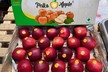
Maintaining export quality relies on labour availability and tight harvest-to-market logistics. At Talia Farms in South Australia's Riverland region, fruit can move from vine to retail shelf within 48 hours. The operation covers 230 hectares and is one of the country's larger table grape farms.
From budburst through harvest, staffing levels rise from 13 permanent employees to nearly 80 workers across the farm and pack shed. Farm manager Bill Avery said harvest operations run on a continuous schedule. "We start picking at 3 o'clock in the morning or 2.30, depending on the dew point," he said. "By 9 am, the pickers are finished, and the pack shed is full."
Packing continues until 6 pm, after which the fruit is stored for overnight dispatch. According to Mr Avery, early harvesting under cool conditions improves shelf life. "We are getting an extra three or four days' shelf life on the fruit because it's being picked when it is cool as opposed to being picked when it's hot," he said.
Shipping typically takes several weeks, but air freight is used for selected programmes tied to Chinese New Year demand. "We're looking at 48 hours from dispatch to being in a fruit shop in South-East Asia," Mr Avery said.
Talia Farms is owned by US-based RPG Capital Management and is currently on the market. Existing management is expected to remain in place after any ownership change. Mr Avery added that Australian retail prices are unlikely to reflect the export-focused season. "It is controlled by three to five major players," he said. "So, unless you are in with those groups, it's very hard to break in with the supermarket chains because they won't entertain an individual grower base."
Source: ABC News