Cherry growers in the Cromwell and Tarras areas of Central Otago responded to heavy rainfall at the end of last week using helicopters, frost fans, and rain covers, as concerns grew over crop losses and potential effects on export value.
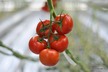
Rainfall of around 20 mm was recorded near Cromwell, while the Tarras area received about 30 mm. Cherry crops were particularly affected, as excess moisture can cause skin splitting both directly and through water uptake by the trees.
Grower Mike Casey told Crux that one of his five cherry varieties may be lost. He estimated the value of the affected variety at between NZ$100,000 and NZ$200,000, equivalent to about US$62,000 to US$124,000. Around ten helicopters from Queenstown were deployed early in the morning to help dry orchards, while Casey used electric frost-fighting fans, and other growers relied on rain covers.
"In the next few days, we'll know what the cherry splitting is looking like, and then we'll know what the sugar content of the cherries is," Casey said. "That affects the gate price and export value. The pessimistic side of me is that this probably means one of our five varieties is a write-off. We're meant to be picking it today."
Cherry splitting can affect both internal quality and marketability, with sugar levels playing a role in pricing and export suitability.
Dean Smith, chief executive of Summerfruit NZ, told Crux that while the rain event was serious, damage may have been limited. "It looks like last night's rain is not going to ruin this year's exports, but it will have an impact. Many growers have protected themselves by using several different varieties."
Smith explained that varietal spread influences exposure to weather events. "Different varieties ripen progressively throughout the season. If you've got a lot of fruit that's ripe at the same time, then you're going be impacted. Whereas if it's still a week or two away from being ripe, then you're probably a little bit less exposed."
He added that weather risk remains part of cherry production. "I guess the overriding message is that it's an inherently risky industry, and years of work can be taken away from you very quickly. It can be quite cruel."
Growers will continue assessing fruit condition and sugar levels over the coming days as harvest decisions are made.
Source: Crux