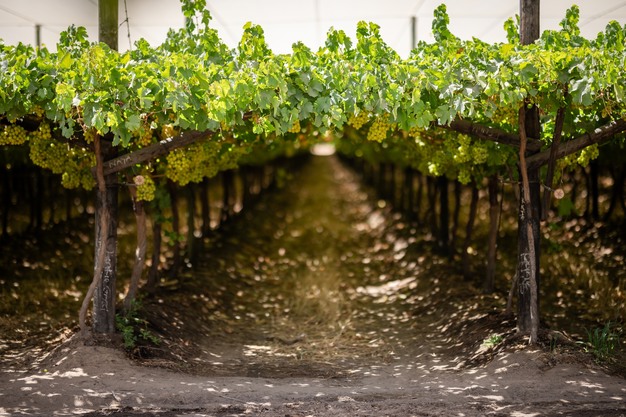
Corné van de Klundert, Managing Director of Dutch importer and exporter Origin Fruit Group, reports an improving overseas grape market. Southern Europe experienced an unusually large grape harvest over the summer, with Spain, Italy, and Greece keeping grapes on the market until very late. Italian grapes were still available in early December, delaying the start of overseas grape sales and creating a rocky start to the season. Van de Klundert expects the market to normalize over several weeks as stock gradually sells.
 © Origin Fruit Group
Positive developments in new varieties
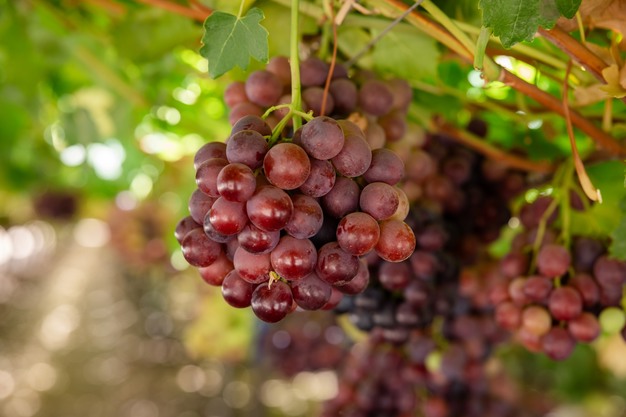
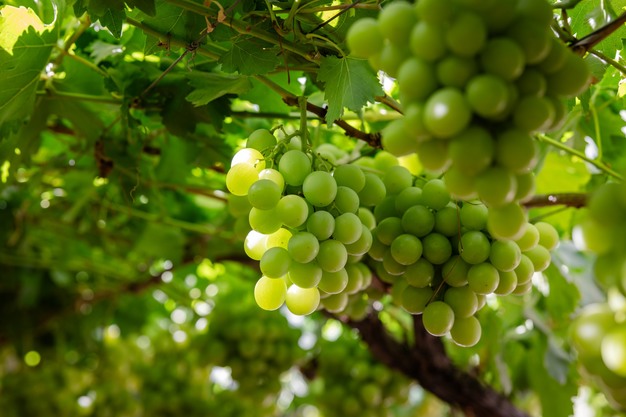
New grape varieties are gaining popularity, with Autumn Crisp—a seedless white grape with crisp, sweet flavor and large berries—leading demand. "Many new varieties enter the market; some are dropped, but others add value, allowing us to better meet consumer preferences," he explains. Seedless grapes dominate sales, while seeded varieties are now rare. Firm, crisp grapes with good size, sweetness, and a hint of acidity remain the most popular, though preferences vary slightly per region.
Year-round flavor and quality
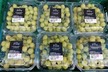
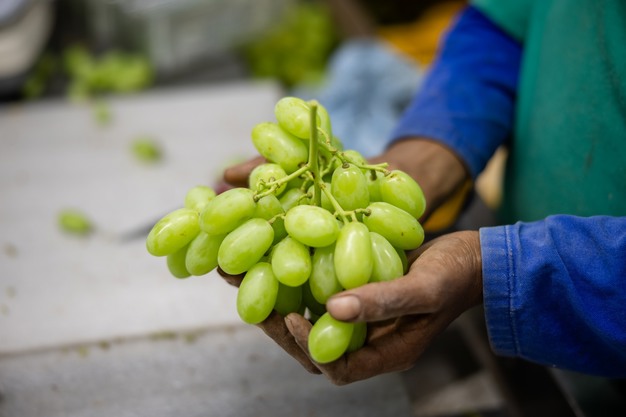
Origin Fruit aims to provide consistent flavor throughout the year. Traditional varieties can vary week to week, so selecting the right varieties and enforcing quality standards for packaged grapes is key. Promotions using 500g punnets in supermarkets attract bulk buyers at lower prices, but Van de Klundert hopes premium products will continue to grow alongside standard offerings.
 © Origin Fruit Group
Climate and cultivation challenges
Changing climate conditions create additional challenges. High temperatures, drought, and heavy rain can damage grapes, especially during key growth stages. Some new varieties are slightly more resistant to light rainfall, but extreme weather remains a risk. Rising temperatures and humidity also increase disease pressure, limiting growers' options as fewer crop protection products are permitted in Europe. Supermarkets often impose stricter standards than legal requirements, further complicating imports.
 © Origin Fruit Group
Diversified origins to mitigate risk
Origin Fruit sources grapes from multiple origins to ensure continuity. October supplies came from Brazil, followed by northern and southern Peru in November, Namibia in early December, and South Africa around the holidays. This overlapping supply reduces the risk of disruption.
 © Origin Fruit Group
Logistics challenges
Transport issues remain critical. Rotterdam experienced summer port strikes, while Cape Town often halts operations due to strong winds, causing delays and potential damage to fragile grapes. By diversifying origins, Origin Fruit aims to maintain reliable supply, even under unpredictable conditions.
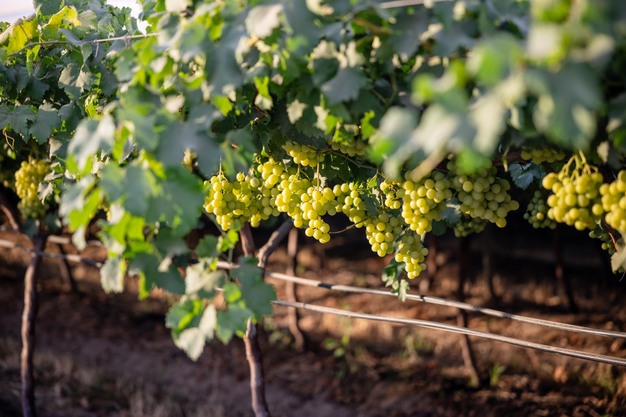 © Origin Fruit Group
Van de Klundert emphasizes that spreading supply risks, ensuring consistent quality, and offering popular seedless varieties are central to maintaining a steady, year-round grape market.
For more information:
Origin Fruit Group
Albert Plesmanweg 250 - Port 2450
3088 GD Rotterdam
Tel: +31 (0)88 244 9300
[email protected]
www.originfruitgroup.com