U.S. specialty crop groups are seeking additional economic relief following the Administration's announcement of a US$12 billion farm aid package, most of which is directed toward major row crops. The National Potato Council and other industry organisations have engaged with Congress and federal agencies to address concerns that the current allocation does not adequately cover specialty crop producers.
The aid package, announced by President Trump and Secretary Rollins, assigns US$11 billion to major program crops. The remaining US$1 billion is set aside for potential future support for other commodities, including specialty crops. Industry representatives have said the limited funding and lack of specific guidance create uncertainty for producers facing short-term financial pressure.
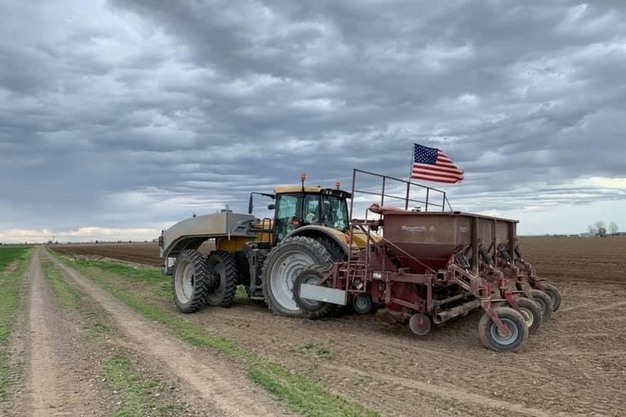 © National Potato Council
According to National Potato Council chief executive Kam Quarles, estimated losses for growers of Russet potatoes alone are around US$500 million this year. He said the scale of losses highlights the gap between current needs and the assistance outlined in the aid package.
On Wednesday, Quarles and other members of the Specialty Crop Farm Bill Alliance met with U.S. Department of Agriculture leadership to discuss the announced support measures. During the meeting, industry representatives outlined the challenges facing specialty crop producers and reviewed past relief mechanisms such as the Coronavirus Food Assistance Program 2 and the Marketing Assistance for Specialty Crops programme. These programmes were cited as examples of approaches that better reflect the structure of specialty crop markets.
The alliance noted that specialty crop producers, who grow more than 300 types of fruits, vegetables, nuts, and other commodities, face different conditions than row crop producers. Unlike major row crops, most specialty crops do not have futures markets that clearly indicate price declines, making it more difficult to document financial losses using standard metrics.
Reports indicate that specialty crop organisations are also engaging lawmakers, requesting that Congress appropriate additional funds to address rising production costs. These include higher expenses for labour, fertilisers, and seed, as well as uncertainty linked to international trade conditions.
Quarles told Politico that congressional involvement may be necessary to supplement existing resources. "We're assuming, since [USDA] has limited resources, this will probably have to be some additional package to address specialty crops that Congress gets involved in," he said. "If the relief that's necessary is going to arrive, it is likely to come in partnership between the administration and Congress."
Industry groups continue to monitor developments as discussions over additional relief measures continue.
 © National Potato CouncilFor more information:
National Potato Council
Tel: +1 202 682 9456
Email: [email protected]
www.nationalpotatocouncil.org