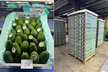
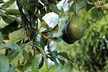
The 40 per cent tariff imposed by the United States on Brazilian products created uncertainty for mango exporters in the São Francisco Valley after its announcement in August. In the Juazeiro region, Brazil's main mango-producing area, exporters feared that the domestic market would be oversupplied with the Tommy variety, which is the main cultivar shipped to the US. According to producers and exporters interviewed in late November, this did not occur. Instead, shipments to the US increased during the period when the tariff was in force.
Trade data confirm this trend. From August through November, Brazilian mango exports to the United States reached 36.3 thousand tons, up 16.6 per cent from the 31.1 thousand tons shipped in the same period of 2024. Export revenue declined over the same period, reflecting lower average prices. Revenue fell by 24 per cent year on year, from US$39.3 million to US$29.8 million, according to ComexStat. The figures include fresh and dried mangoes.
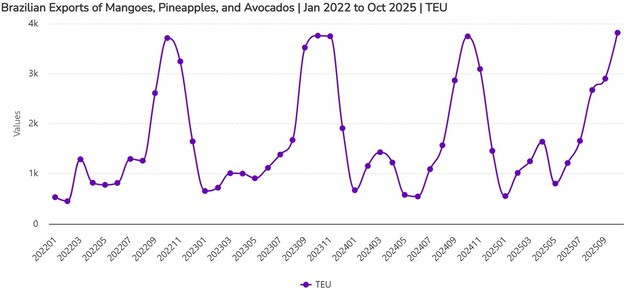 © DataLiner
Guilherme Coelho, president of the Brazilian Association of Fruit and Derivative Producers and Exporters, said shipment volumes were maintained because "common sense and balance" guided negotiations. According to him, exporters, importers, and distributors agreed to share the impact of the tariff, allowing trade to continue.
Coelho added that market timing also supported Brazilian exports. Brazil's mango season overlaps with Mexico's from August, but Mexico exited the US market earlier this year. Ecuador, which typically begins shipping in the second half of October, also entered later than usual. As a result, Brazil faced less competition during its main export window from August to November. "Exporters were able to get through the season without major setbacks," he said.
João Marcos Souza, from the foreign market division of GrandValle in Casa Nova, said the tariff limited the company's ability to expand partnerships. "But the partners [business partners] who were already with us stepped up and tried to work on our side, which helped maintain exports to the U.S.," he said.
With the tariff on mangoes now removed, producers expect US sales to normalise next season. Concerns remain for table grapes, which are still subject to tariffs. From August to November, Brazilian grape exports to the United States fell by 67 per cent year on year to 2.312 thousand tons, with export revenue declining to US$7.451 million, according to ComexStat.
Source: Globo Rural / DatamarNews