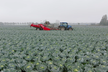
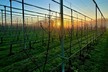
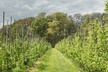
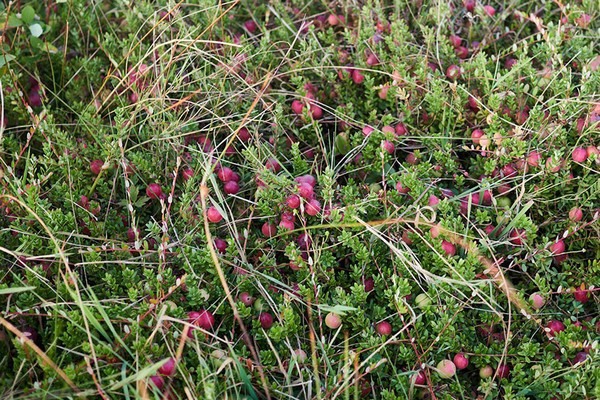
An organic cranberry project in the Netherlands is demonstrating how fruit production can provide an environmentally sustainable alternative to dairy farming in vulnerable peatland areas. The initiative, developed by The Cranberry Company and supported by Eosta, is based in the Krimpenerwaard region, where cranberries are grown on 18 hectares of peat soil.
The harvest season began in early November and will continue until late December, with fruit destined for both domestic and export markets, including Germany and the UK. While cranberries are often associated with winter demand, the company's growing methods are drawing attention for their potential to address soil degradation, water loss, and greenhouse gas emissions linked to traditional dairy farming on peatlands.
 © Eosta
In the Netherlands' low-lying regions, drainage for dairy farming has accelerated peat oxidation, causing CO₂ emissions and soil subsidence. By maintaining higher water levels, cranberry cultivation helps reduce these effects while supporting biodiversity. The Cranberry Company's dry-harvesting technique also differs from the common wet-harvesting method, which floods fields to release berries.
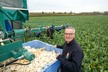
Matthijs Crouwers of The Cranberry Company said: "We've been underway for almost 10 years, growing in peatlands where soil substance is a big problem. We are located in an area two to three meters below sea level, and draining the peatlands for dairy farming causes the level of the land to fall even further. We need to re-wet the peatlands, and we have found we can grow cranberries on them. But we don't just grow organic cranberries; it's also related to peat restoration, soil substance, combating climate change, and helping biodiversity."
According to Eosta Product Manager Casper Velthuijs, the cultivation system also ensures longer shelf life and consistent fruit quality. "From a sustainability point of view, this is also a valuable product because oxidizing peat landscapes is a major issue, and they have found a solution for it," he said. The project continues to expand each year, with production now sufficient to cover Eosta's full cranberry program for the 2025 season.
 © EostaFor more information:
Eosta
Tel: +31 (0) 180 63 55 00
Email: [email protected]
www.eosta.com