"The future of farming lies in precision, collaboration, and innovation for ultra-fresh locally grown food available to everyone," says Daria Shchurik, Head of Marketing and Product at Greeneration. "As a high-end vertical farm for luxury HoReCa, we are focused on addressing the import-reliance challenge of the region, one restaurant at a time."
Shchurik was speaking at Agra Middle East 2025, where she joined the expert panel "Vertical Farming and the Rise of Layered Agriculture." Moderated by Luke Hutson, Chief Editor at New Ag International, the session gathered CEA leaders from across the MENA region to examine how innovation is transforming food production in both urban and desert environments.
Representing the Dubai-based vertical farm, Shchurik shared how precision agriculture is being used to serve the UAE's premium hospitality sector through scalable technology and chef-driven design.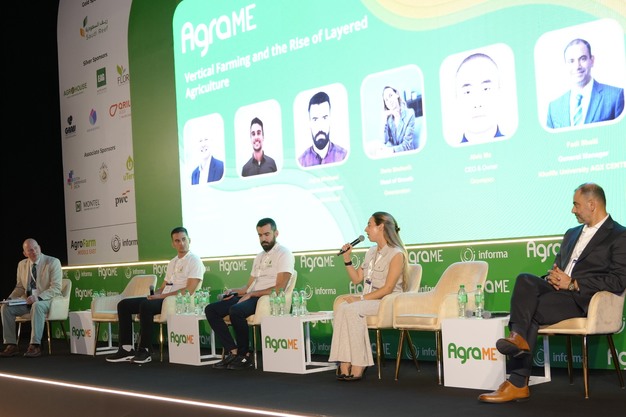 © Greeneration
Matching premium quality with economic performance
Greeneration supplies Michelin-starred restaurants, five-star hotels, and other venues where consistency, visual appeal, and flavor are non-negotiable. Rather than importing delicate produce, which is often costly and perishable, the company has created a localized model that reduces both risk and expense.
"Our farm eliminates key import costs such as air freight, long cold-chain storage, and spoilage losses common to delicate crops like microgreens and edible flowers, which decreases purchasing costs by approximately 30 to 50 percent. By growing hyperlocally in Dubai Industrial City, we skip customs delays and fluctuating foreign exchange impacts," says Shchurik.
"We cut and deliver on the same day, which is rare, or even not seen at all, among competitors." The crop list reflects that focus. "We target premium edible flowers and microgreens specifically curated for high-end HoReCa clients, including unique varieties previously only imported."
Crops designed around the kitchen
Greeneration's product development process is tightly linked to the kitchens it supplies. "Chefs and hospitality clients play a crucial role in shaping our crop choices and quality standards. Their demands drive the farm to focus on cultivating visually appealing, flavorful, and nutrient-dense varieties that cater specifically to fine dining and premium culinary experiences."
Shchurik lists several crops that have entered the portfolio directly through chef requests. "As a result of the close chef-farm relationships, we have included new crops into our portfolio such as Egyptian Star Flower, Ice Plant leaves, Kitsune Leaves, and Verbena flowers."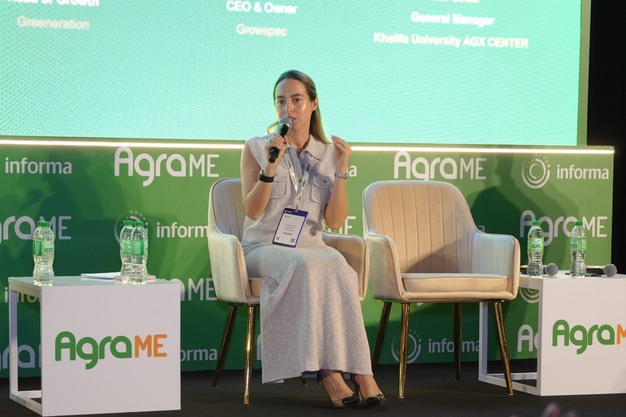 © Greeneration
Daria Shchurik
Growing influence through local focus
While some operators are pursuing retail or export markets, Greeneration is investing further into the UAE's culinary ecosystem.
"We are committed to deepening our focus on the UAE foodservice sector and strengthening our presence within Dubai's high-end culinary scene. We view our role in the UAE's food ecosystem as central to building a resilient, self-sufficient local supply chain that supports the region's long-term sustainability goals."
For more information: 
Greeneration
Daria Shchurik, Head of Marketing and Product
[email protected]
www.greeneration.ae