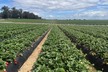
High temperatures and low rainfall from February to March in Irecê, Bahia, Brazil, adversely affected tomato plant physiology, leading to reduced April harvest yields. The dry heat exacerbated the prevalence of whiteflies and borers, with whitefly challenges intensified by limited uptake of pest-resistant or tolerant materials. Despite the climate conditions, the tomato leafminer (Tuta absoluta) was less problematic in the 2025 harvest compared to previous seasons.
Local farmers reported elevated temperatures at the start of the year, averaging 35°C, coupled with minimal rainfall, as per the Brazilian National Institute of Meteorology (Inmet), with only 15.4 mm recorded during the period. This dry spell, during the usual rainy season, threatens water supply as well as levels remain low, prompting producers to adjust planting plans across various crops due to potential irrigation shortages.
In March, yields averaged 300 boxes per thousand plants, but fell to 200-250 boxes for the April harvests, which underwent transplanting amid peak heat in January and February. This contrasts with the previous year's yield of 350 boxes per thousand plants. Grafting and greenhouse methods remain unused in Irecê, but prospects for better yields exist for crops transplanted from May onward, when temperatures generally decrease.
Source: HF Brasil