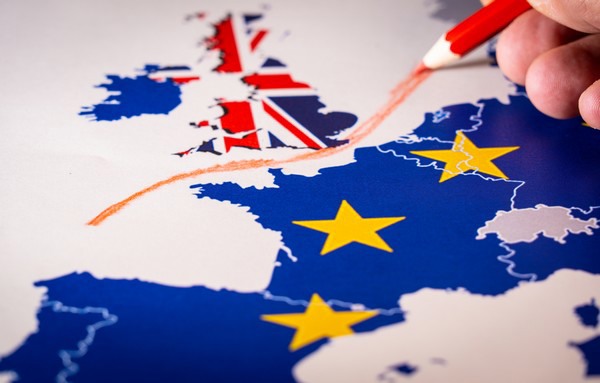
In April, the UK government published an introductory version of the Target Operating Model (TOM) that should become effective on October 31. It is another step in the full Brexit transitional model. "However, not that much will change for the fruit and vegetable trade," begins Ward Verberck, VLAM's Brexit supervisor for Belgian export companies.
"It actually dates back to 2021. When Brexit began, the UK/EU agreement meant that the UK would basically become a third country for Belgium. That brings several obligations, most importantly, the additional administrative work regarding customs documents. And, some products also require phytosanitary certificates. The ornamental plant sector, for example, has been subject to these time-consuming, expensive regulations from Day 1."
The British authorities meant to, after that, gradually implement these phytosanitary demands to other sectors like fruit and vegetables, dairy, and meat, explains Ward: "But, it turned out they were wholly unprepared, so postponed it several times. The advantage for most companies was that they could keep working. Other obligations were still introduced, such as IPAFFS registration."
Low, medium, and high
That was until April, when the preliminary TOM version was published and was to go into effect on October 31. "It covers more than just trade and includes, for instance, labor migration, GDPR, and patents. They've classified products into three risk categories: low, medium, and high. We focus mainly on fresh food and fruit and vegetables are in the low category, so they don't need to have phytosanitary certificates yet," says Ward.
"From January 31, 2024, goods will, however, have to pass a Border Control Post (BCP) in, say, Ashford or Dover and may be physically checked. Here, again, there's a contradiction. On the one hand, the UK absolutely doesn't want major traffic jams and problems on the shelves, like last winter."
"On the other hand, they want to prevent dangerous products from entering their country. They initially made a big fuss about wanting control back but weren't ready for it. Now they want to prove they have that control, so this is, perhaps, a push for stricter control," says Verberck.
Despite not much really changing regarding phytosanitary certification for fruit and vegetables, companies should anticipate possible changes. "Cost is an aspect, too. There are costs involved in goods passing the BCP. That's on top of customs and, for some, phytosanitary costs."
"That's going to push up trade prices to the UK even more. And certainly, with fresh produce, you can't make up those costs from profit margins, so it will probably be passed on to consumers. They, of course, already have to deal with inflation. So it may well affect trade between the UK and the Netherlands/Belgium," Ward explains.
Final version in the works
The preliminary TOM version's feedback period is officially over, and the final version was supposed to be published in late June. "But, it seems, with the English, it can always take a little longer. I fear it will be published during the vacation period. It will be October 31 before you know it, so I genuinely want to urge companies to get started with it."
"I truly hope they do. It sometimes seems like a lot of hassle, but the UK is a major market. It's worth biting the bullet for a while. Companies should start considering things now. What is my current trade? How is it structured? What is the potential impact after October 31 or January 31? And then work with transporters, local quality and food safety agencies, and customers to determine the bottlenecks. You can then try and find solutions before October 31 so you don't get turned away at the border," Ward suggests.
"Our job is to inform companies about this. We can't always answer every problem; they may be very company-specific. However, we can help people find the information they need and, from experience, perhaps, help solve some of their issues. You won't believe the kinds of things we sometimes encounter."
That is also why, in cooperation with the Belgian Federal Agency for the Safety of the Food Chain, Flanders Investment & Trade, and the Belgian Food Industry Federation, VLAM has organized a webinar to alert companies to the coming changes. "We want to get the information to people as quickly as possible and let them know they can always come to us for questions or advice. But, we also want to make it clear to them: prepare well," concludes Ward.
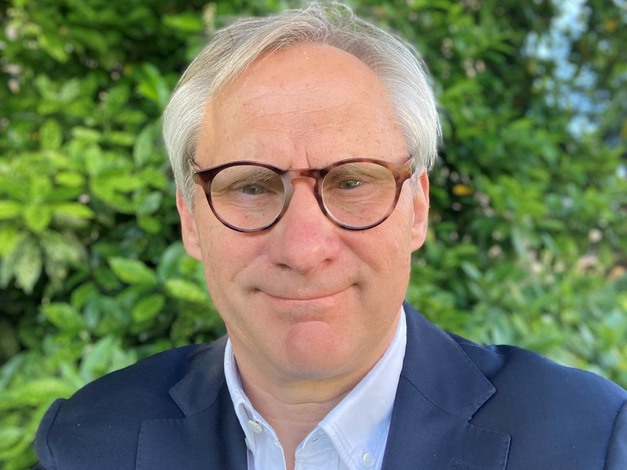
For more information: Ward Verberck
VLAM
Tel: +32 (0) 473 269 472
Email: [email protected]
Website: www.vlam.be