Even though they have been cultivated in Asia for more than 2,500 years, lemons are a food deeply rooted in the Mediterranean diet, after more than ten centuries being part of it. Spain is one of the countries that consume the most lemons worldwide, having reached 105,000 tons in 2021, according to data provided by the Ministry of Agriculture, Fisheries and Food. This figure is similar to the amount consumed in 2019 and is 15% lower compared to 2020, when the demand increased due to the pandemic.
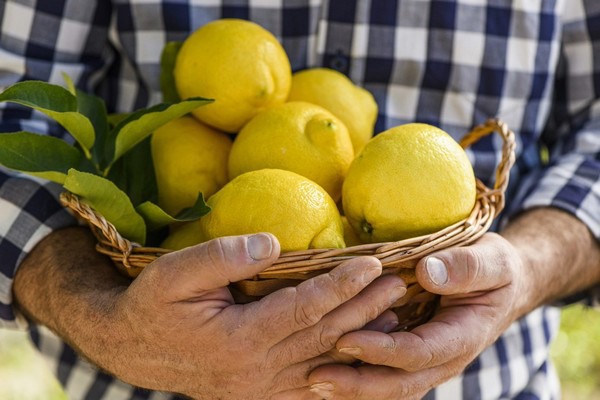
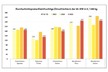
In Spain, the households in which the person responsible for the groceries is over 65 years old are the largest consumers of this citrus fruit, with 42,800 tons purchased throughout 2021. They were followed by those in the age range from 50 to 64 years old, with another 33,000 tons. Meanwhile, on the opposite side, the households in which the person in charge of going to the supermarket is younger than 35 years old purchased only 6,000 tons.
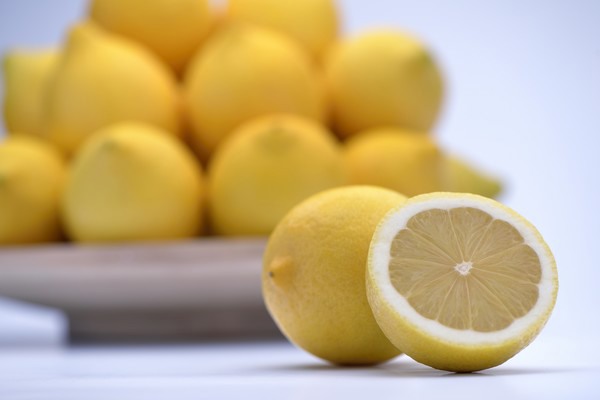
Spain leads lemon consumption in Europe
Spain is a country where lemon consumption has consolidated in the home. In fact, according to MAPA, an average of 2.29 kg of lemon per person was consumed in homes in 2021, a figure well above that of the European Union as a whole, which according to Eurostat stands at about 1.96 kg per capita per year.
"Since 2015, both international and European consumption have been recording double digit growth. However, in 2020, the demand shot up even more following the recommendation to consume foods with plenty of vitamin C in order to strengthen the immune system against COVID-19," said José Antonio García, director of the Interprofessional Association of Lemon and Grapefruit (AILIMPO), while recommending opting for the lemons produced in Spain. "They have greater flavor and firmness, and are marketed with every guarantee," he said.
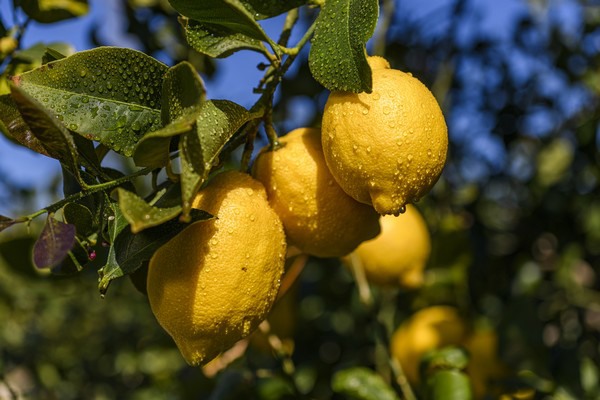
These and other characteristics of the lemons of European origin are disseminated by AILIMPO in the information campaign "Welcome to the Lemon Age", which is backed by the European Union, with the aim of promoting their consumption among the new generations of consumers in Germany, France and Spain.
 For more information:
Welcome to The Lemon Age
www.thelemonage.eu