Bangladesh's export of vegetables, fruit, and processed agricultural products to the Middle East, Europe, and other destinations is facing disruption as cargo airfreight costs have nearly doubled following the ongoing war between Iran, the United States, and Israel. Exporters report lower shipment volumes and reduced competitiveness.
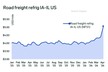
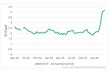
Airfreight charges have increased across all major routes. Shipping to the Middle East now costs Tk180-280 (US$1.64–US$2.55) per kilogram, compared with Tk120-140 (US$1.09–US$1.27) before the conflict. For Europe and the United Kingdom, rates have risen to Tk620-650 (US$5.64–US$5.91) per kilogram from Tk400-450 (US$3.64–US$4.09). Other destinations have recorded similar increases.
Container freight has also increased. A shipment to the Middle East previously cost about US$2,800 per container, but is now rising to US$6,200–6,400. Exporters report reduced cargo space availability, further affecting supply chains.
Mushtaque Ahmad Shah of Shah Traders said freight charges have doubled within a month, making bookings difficult. "If this continues, exports will fall to near zero. Our freight charges are being increased every few days," he said.
Md Shahid Sarker said Bangladesh is losing competitiveness. Export costs from India are Tk200-250 (US$1.82–US$2.27) per kilogram, and lower in Pakistan, while Bangladesh is close to Tk700 (US$6.36). "It is impossible to compete with them," he said.
Bangladesh exports agricultural goods worth around US$1 billion annually, but recent data shows a decline. Vegetable exports fell by 45 per cent in March year on year. Dry food exports declined by 19.40 per cent, spices by 12.74 per cent, and beverages, spirits, and vinegar by 34.36 per cent.
Concerns are rising ahead of the May to September mango season. Exporters say higher freight costs could affect shipments of mangoes and jackfruit, which are produced under Global Good Agricultural Practices standards.
Mohammad Hafizur Rahman of the Bangladesh Fruits, Vegetables and Allied Products Exporters Association said exports have "almost come to a halt," noting freight to London has reached nearly Tk600 (US$5.45) per kilogram from under Tk400 (US$3.64).
Mushtaque Ahmad Shah said mango exports previously saw demand, but current conditions have halted shipments. "At current freight rates, it is simply impossible to compete with India and Pakistan," he said.
According to the Department of Agricultural Extension, mango exports stood at 2,194 tons last year, compared with 3,100 tons in 2023 and 1,321 tons in 2024. Officials plan discussions with airlines and civil aviation authorities ahead of the mango season.
Abu Noman Faruq Ahmmed of Sher-e-Bangla Agricultural University said rising production costs and limited export opportunities are affecting growers. He said that without lower freight costs, Bangladesh will struggle to remain competitive in export markets.
Source: The Business Standard