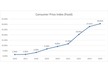
The global fruit and vegetable sector is entering a period of price increases linked to rising input costs and disruptions across supply chains. Fresh produce systems operate with tight margins, high perishability, and dependence on coordinated production, logistics, and retail distribution, making them sensitive to external shocks.
Fertiliser supply is a key factor. Fruit and vegetable production depends on consistent nutrient input to maintain yield and quality. Disruptions to major trade routes have reduced fertiliser availability and increased prices. Growers are responding by adjusting application rates, crop selection, or absorbing higher costs, leading to lower output or higher pricing.
Reduced fertiliser use affects not only volumes but also product quality, including size, appearance, and shelf life. This impacts downstream operations, with higher rejection rates and waste, and a tighter supply of marketable product.
Energy costs are also increasing. Fresh produce requires temperature control across storage, transport, and retail. Higher fuel and electricity prices are raising cold chain costs, affecting overall supply chain efficiency.
Transport remains under pressure. Fresh produce relies on long-distance movement across regions. Higher fuel costs and disruptions to shipping routes are increasing logistics costs. Delays in transport increase spoilage risk for perishable products such as berries, leafy greens, and soft fruit, leading to losses or price adjustments.
Global trade dynamics add further pressure. Many markets depend on imports for year-round supply. Disruptions in logistics and rising input costs are limiting export volumes in some regions, tightening availability in importing markets.
Price increases are expected as higher production costs translate into reduced supply and higher market prices. Fresh produce markets respond quickly to changing conditions due to short shelf life and limited storage capacity. Decisions on fertiliser use and planting are expected to affect supply in the coming months.
Impacts vary by crop and region. Crops with higher input requirements and shorter shelf life are more exposed. Regions dependent on imported fertiliser or long-distance trade face a higher risk of supply constraints.
Retailers are adjusting sourcing strategies to manage availability and costs. Increased focus is placed on local or regional supply, although this may involve higher production costs. Price management is becoming more complex under these conditions.
Government support measures may provide limited short-term relief but do not address underlying cost pressures in fertiliser, energy, and logistics. Market responses are expected to continue reflecting these structural factors.
Longer-term adjustments include increased focus on supply chain resilience and production efficiency. Technologies such as precision agriculture and controlled environment systems may reduce input dependency, although adoption remains gradual.
Price volatility is expected to increase as supply chains adjust. Weather conditions, energy markets, and trade flows will continue to influence availability and pricing.
Source: ISN Magazine