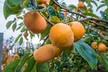
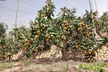
Asaja Alicante provides an update on the upcoming medlar season in Callosa d'en Sarrià, which has Protected Designation of Origin status. Early estimates suggest production of approximately 10,000 tons, slightly exceeding last year's figures, underscoring the crop's significance to the Marina Baixa area's economy. Overall, the outlook is optimistic regarding both yield and quality, though growers face the significant challenge of rising production costs, which could make the process unviable.
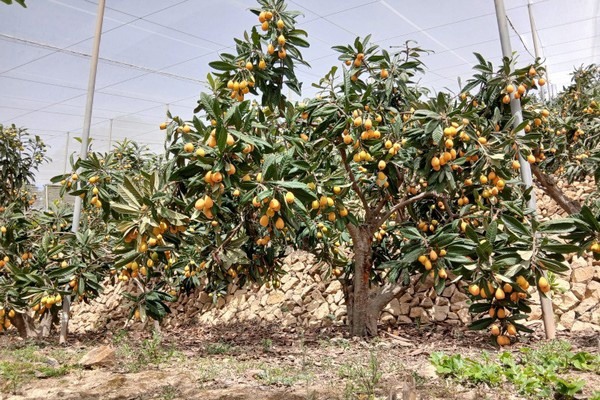 © Asaja Alicante
Rafael Gregori, Asaja's representative and medlar grower in Marina Baixa, highlights that conflicts in the Middle East and the international situation increase input costs. "Small farms like ours transport produce to warehouses ourselves, and rising diesel and material prices are significantly impacting us," he stated.
The crop faces a major labor shortage, prompting the organization to urgently call for a reduction in social security contributions. This move aims to lower costs, help workers keep their pay, and ease the grower's burden.
In addition, Asaja Alicante believes that the current rates are disproportionate to the actual labor costs borne by the roughly 1,000 medlar growers who cultivate certified crops in the area.
Andrés Llorca, the Managing Director of the Callosa d'en Sarrià Agricultural Cooperative, stated that the sector has been investing for years in early ripening varieties to stand out in the market. "Getting to market earlier makes a difference; medlar is the first fruit of spring, which helps it stand out on store shelves," Llorca explains.
He also noted that the March rains have been essential for fruit set and that they expect high-quality yields this year. However, the technical report indicates that the strong winds in February, which peaked at 90 km/h, damaged agricultural structures such as windbreaks and compromised the quality of the initial harvests, which are crucial to the grower's peak economic return.
The harvesting calendar started with "the first medlar in February. However, the peak harvest period is in April and May, with April being the most significant month, and it concludes in the last week of May." Previously, the season could extend until June, but now, thanks to earlier varieties, both the start and end of the season are coming earlier.
For more information:
Asaja Alicante
alicanteasaja.com