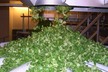
Two mayors in Hawke's Bay will meet with McCain representatives to discuss options to retain food processing capacity in Hastings, following the announcement that the vegetable processing plant will close in 2027.
Hastings Mayor Wendy Schollum and Central Hawke's Bay Mayor Will Foley said they want to understand the reasons behind the decision and the broader factors affecting the sector.
Schollum said recent closures and restructures in the region highlight the need to assess underlying drivers. Hastings District Council will work with Foodeast Haumako to bring together producers, manufacturers, and supply chain businesses to review sector conditions and identify areas for regional coordination.
"Undoubtedly rising costs across the supply chain, from growing to transport to processing, are part of the picture," Schollum said. "Energy costs are likely to be a significant contributor, but we also need to understand the broader competitiveness pressures our regional industries are facing."
Foley said the closure affects a production base of around 9,000 hectares of crops and a wider network of contractors, transport providers, and processing workers. "We have about 9000 hectares of crops, worth millions of dollars to our local economy. Then there's the rest of the Hawke's Bay production with a chain of people affected, from contractors to truck drivers and factory workers. It will be monumental," he said.
He added that producers may need to diversify following the closure. "We need to protect Hawke's Bay's food basket by enabling businesses to start having conversations earlier. We need to be proactive and get to the bottom of the concerns impacting our businesses. As a result of this closure, our producers will need to diversify. What are their options?"
Schollum said there should be a greater focus on maintaining business viability in regional areas. "We cannot afford to accept this as inevitable," she said. "If we don't get this right, we risk hollowing out the very industries that underpin our economy and provide jobs for our people."
She added that support is needed for energy supply, competitiveness, and long-term resilience. "Our district is built on the strength of our growers, our workforce, and our supply chains. Losing pieces of that network is not just an economic issue - it goes to the heart of our community."
Foley said the region must plan for resilience. "The opportunity is to address this now so we are much better placed for the future," he said.
McCain stated that its New Zealand operation has been loss-making in three of the past five financial years. The closure follows a strategic review and reflects changes in how the company will supply its vegetable portfolio across Australia and New Zealand.
Source: RNZ