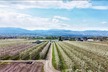
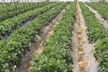
A grape cluster development program has been launched in Nashik, India, by DeHaat in partnership with the National Horticulture Board under the Ministry of Agriculture and Farmers Welfare, aimed at supporting export-oriented production systems.
The program comes as global grape markets shift toward premium, licensed varieties, while India's production remains largely based on traditional open varieties such as Thompson Seedless. This transition is influencing market access, buyer requirements, and price realization, with increased focus on varietal selection, quality consistency, and traceability.
The initiative includes support across multiple production and post-harvest components, including area expansion under new varieties, drip irrigation, GAP and IPM compliance, canopy management, orchard rejuvenation, and export linkages. Financial assistance of 30 to 50 per cent will be available under the National Horticulture Board guidelines.
Ravindra Dangi, Deputy Director of the National Horticulture Board, stated that the program is structured to provide financial support and value chain integration for growers.
Karen Smit-Lotriet of Bloom Fresh said international markets are moving toward varieties offering consistency, longer shelf life, and consumer-preferred traits.
DeHaat will implement the program through its Seeds to Market platform, covering advisory, input delivery, aggregation, and market access, supported by export operations in Nashik under the Frestrop brand.
"Nashik has long been one of India's most important grape regions. The next phase of growth will belong to farmers who align with global market requirements—better varieties, stronger quality systems, and full traceability," said Nikhil Toshniwal, Chief Digital Officer at DeHaat.
The program is expected to support varietal transition and export readiness over the next three to five years.
Source: Businessline