Potato prices have soared in the local Moroccan market, and this staple crop is in short supply in some markets. This situation is due to the heavy losses suffered by producers in the north of the country and the difficulty in replanting. Imad Hamoumana, a Larache-based grower, provides an update on the situation.
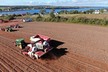
 © Oussama Didouch
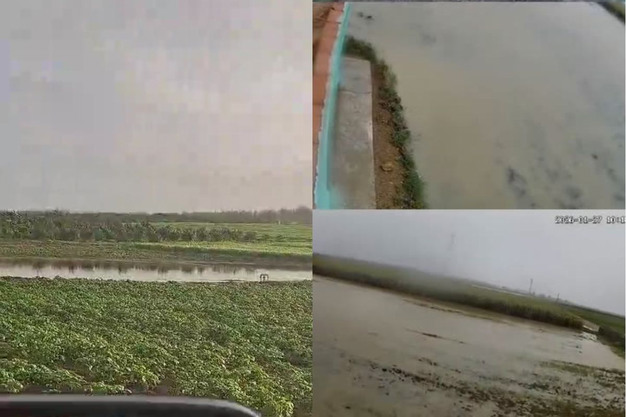
The grower says this year has been exceptionally difficult on the production front. He explains: "Many growers lost everything due to the floods, and many of them have been unable to get back on their feet, either because their land is still submerged or because they suffered too heavy financial losses. This season's extreme conditions are exacerbating an already fragile situation for the potato sector, where climate change, high production costs, and the crop's sensitivity make potato growing a difficult endeavor."
The losses recorded in the Gharb and Loukkos regions last month were quickly felt in the local market. "Consumer prices automatically rose, and supply was significantly reduced because these regions are key to supplying the local market with potatoes," Hamoumana continues.
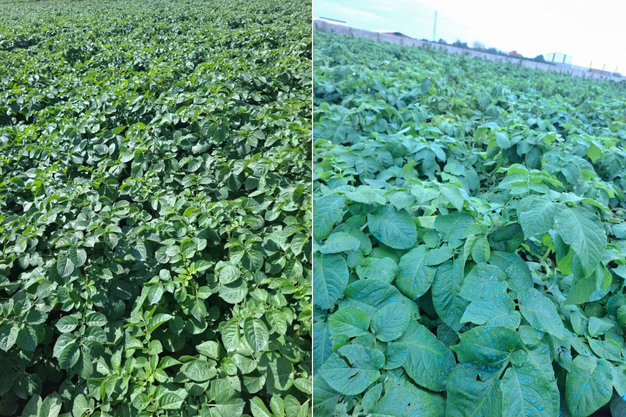
The grower, who is also a potato seed importer, notes that seed imports are insufficient for replanting. He adds, "The seeds we imported for this season from the Netherlands, particularly the Memphis variety, were sold out before the floods. Very few producers are still ordering seeds currently, only those operating on sandy soils that have absorbed the water. It's a shame because the seeds imported for this season were of very high quality."
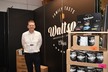
 © Imad Hamoumana
According to Hamoumana's estimates, it will take some time for volumes from the region to recover to normal levels. "I think the shortfall in volumes won't be made up until the next planting cycle in September."
In the meantime, the local market will have to rely on limited supplies from other regions, as well as from growers who escaped total losses. "We are fortunate to have suffered only partial losses, and we continue to do our best to supply the market during this difficult period," Hamoumana concludes.
For more information:
Imad Hamoumana
Domaine Hamoumana
Email: [email protected]