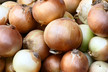
Onion prices in Occidental Mindoro in the Philippines have stabilized between US$0.71 and US$0.80 per kilogram (P40 to P45 per kilo), according to agriculture officials. Authorities said earlier price declines before the peak harvest were linked to alleged market manipulation rather than import activity.
Regional Agriculture and Fishery Council chairperson Alfonso Esguerra said some traders attempted to influence the market, which led to early declines and fluctuations in farm-gate prices. He said reports linking the situation to new onion imports were inaccurate.
The Department of Agriculture said there have been no new onion importations. The only imported stocks currently available in the market were brought in several months earlier.
Esguerra said misinformation about imports can influence harvest decisions by farmers.
"When farmers are made to believe prices will fall because of imports, they may rush to sell at lower prices," Esguerra said, adding that this weakens their bargaining power.
He said the Department of Agriculture is encouraging farmers to consider the prevailing farm-gate price of US$0.71 to US$0.80 per kilogram rather than targeting P50 per kilo. Officials said the aim is to balance farm income with consumer affordability.
Esguerra noted that higher farm-level buying prices can lead to higher prices in public markets, adding that maintaining balance is necessary to protect both farmers' income and consumers' purchasing power.
To manage supply during the harvest season, the Regional Agriculture and Fishery Council advised farmers to sell part of their production to cover debts and production costs, while storing the remaining supply in cold storage facilities. This strategy allows producers to hold product until demand improves after the peak harvest period in March.
The Department of Agriculture MIMAROPA, in cooperation with the Office of the Provincial Agriculturist, is coordinating with Food Terminal Inc. to provide additional marketing channels for farmers.
The department is also developing a plan to subsidize trucking costs for onions delivered to Food Terminal Inc., to reduce transport expenses during the harvest period.
Source: PIA