The Peruvian table grape season of 2025 is wrapping up with a positive balance on commercial orders and stable prices. "This season has been healthier compared to 2024/25," said Fanny Robles, commercial manager of Agrícola Pampa Baja SAC.
Initially, the national projection was 86 million boxes, but it was later lowered to 84.2 million after the closure of the northern zone. According to Robles, two factors made the difference: the availability of refrigerated containers and a more consistent harvest pattern. It's been a slightly flatter harvest, without those weekly peaks, which has allowed for better distribution of fruit across different markets, she stated.
 © Agrícola Pampa Baja
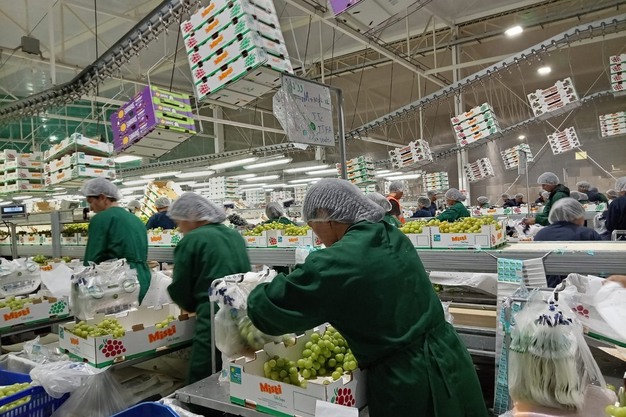
"64% of the export volume was sent to the United States and 23% to Europe. The early conclusion of the season in California benefited the commercial window, opening opportunities in December and January for Northern fruit. This was also favorable for us, as it fell between the North and South Ica harvests. The U.S. market stayed fairly strong, with December prices exceeding $40 per box. In January, prices steadily declined, dropping by $2 to $4 each week, avoiding the sharp declines seen last year," she stated.
"Last season, during the peak of Peruvian and Chilean exports, the U.S. market imported 5 to 6 million boxes weekly, causing significant price declines. This season, the weekly imports have decreased to approximately 3.4 million boxes. As of mid-February, prices remain stable for green varieties, while red and black varieties face slight downward pressure," she said.
 © Agrícola Pampa Baja
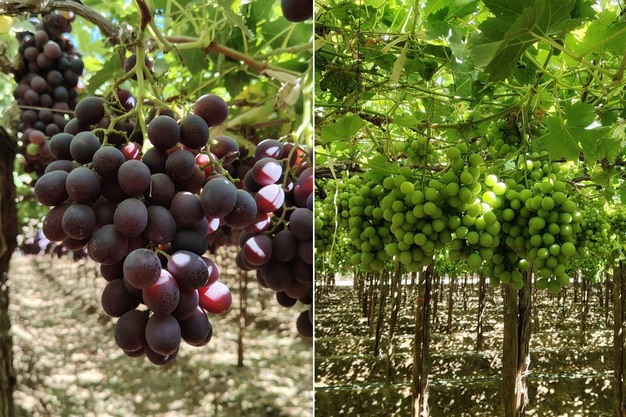
Green varieties lead, with Autumncrisp® standing out in all markets, Robles underlined, followed by Sweet Globe, one of the most widely planted in Peru.
In Europe, Italian grapes remained available until December and January, creating pressure on Peruvian fruit. "Today we understand that Italian grapes could be present until December and January, resulting in significant competition for Peruvian grapes," she stated.
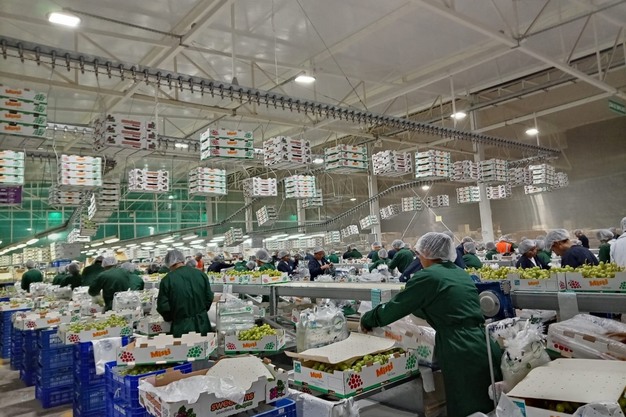
In this context, coordinated planning and programs with supermarkets are growing more essential. "Having harvest peaks is not beneficial for growers and is even less advantageous for prices," she noted. She also emphasized the changing formats: "Retailers are continuously evolving, and we must keep up with their needs," especially in Europe, where demand for paper bags is increasing, and expectations for social and ethical certifications are higher.
 © Agrícola Pampa Baja
The biggest commercial challenge is in Asia. "Asia has changed; it is a market that has evolved significantly. The increase in Chinese Shine Muscat production, especially in Southeast Asia, has diminished opportunities for Peruvian fruit," Robles explained.
"If you want to reach these markets, you must deliver high-quality, well-conditioned fruit, becoming increasingly competitive," she emphasized. She noted this season's challenge was "more on the commercial side than on the logistical side."
"Agrícola Pampa Baja concluded its season in week 3 of dispatch with 1.5 million boxes exported," she said.
 For more information:
Fanny Robles
Agrícola Pampa Baja SAC
04110 Majes (Arequipa), Perú
Tel: +51 910 615 673
Email: [email protected]
www.pampabaja.com