India's apple importers are increasingly turning to European origins such as Poland and Italy as traditional suppliers face weather challenges and subdued sentiment this season, says Chiranjeevi A R, CEO of Scion Agricos. "Our assortment comes down to market demand, price elasticity, post-arrival performance, shelf-life fit, weather back at origin, and the overall market acceptance. Each origin and variety is evaluated based on real-time market feedback rather than historical assumptions." He adds that Turkey, for example, faced weak sentiment and rough weather, limiting shipments.
 © Alysha Fernandes | FreshPlaza.com
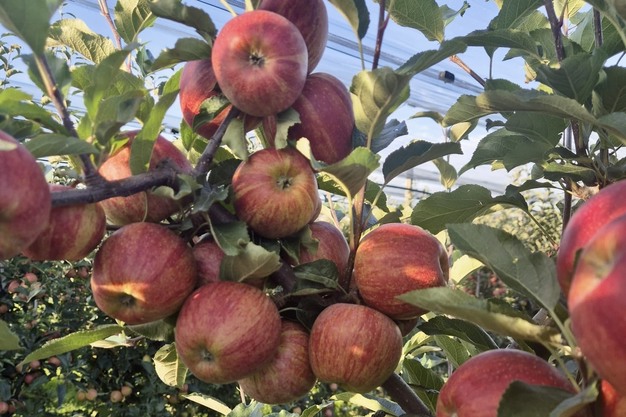
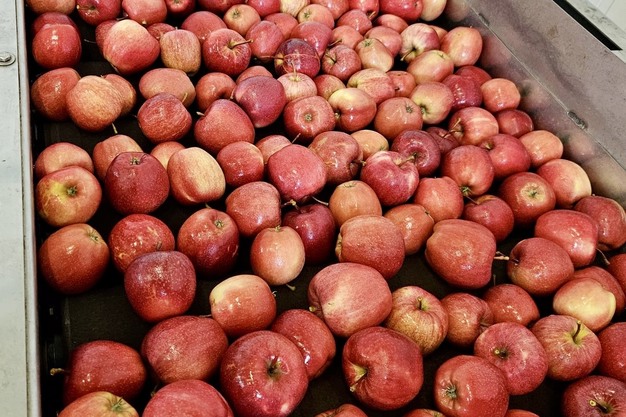
Compared to last year, Scion Agricos has increased European volumes, focusing on larger-sized Red Delicious types like Red Cap and Red Chief, as well as Royal Gala, to match Indian consumer preferences. European suppliers have become key to the company's portfolio due to their quality, reliability, varietal discipline, and regulatory compliance. Trade fairs such as Fruit Logistica, Fruit Attraction, Macfrut, and Anuga help strengthen partnerships, track varietal developments, and benchmark quality and pricing across origins.
Legacy suppliers like the USA, New Zealand, and Chile continue to hold strong brand equity and premium positioning in India. However, countries such as Poland, Italy, and France are driving actual volume growth. "The established suppliers continue to drive aspiration, while comparatively newer European origins are enabling broader market access through competitive pricing. Both remain important, but Europe offers the scalability we need." While the India–New Zealand Free Trade Agreement may improve adaptability for New Zealand apples, the short-term impact on volumes is expected to remain limited. Poland's Royal Gala and Red Cap, along with Italy's Gala and Red Delicious, are seen as particularly promising over the next three to five years.
 © Alysha Fernandes | FreshPlaza.com
The Indian apple market is currently split, with the mass-market accounting for around 60–65% of volumes, while the premium segment is growing faster in value through modern retail and e-commerce. Mass-market demand is driven by competitive pricing, smaller pack formats, and expanding cold chain reach into Tier-2 and Tier-3 cities. Premium growth depends on branding, consistent eating quality, and urban consumers seeking safety and reliability.
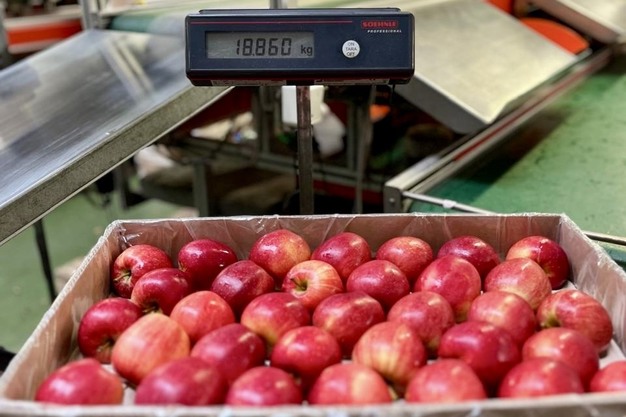
Importers still face challenges such as inconsistent shipment quality, high duties, currency fluctuations, transit delays, and elevated freight costs, although wastage has improved slightly due to better cold storage and reefer handling. Local distribution infrastructure, however, continues to limit deeper penetration beyond major cities.
 © Alysha Fernandes | FreshPlaza.com
Consumer trends show a growing preference for crisp, sweet apples over colour alone, greater acceptance of smaller sizes, and rising demand from smaller cities and online grocery platforms. Imported apples mainly complement the domestic October–March season by filling quality and variety gaps. "Branding secures initial entry for premium imported apples, but repeat sales depend on consistent eating quality," Chiranjeevi notes.
Looking ahead, he expects moderate volume growth, greater European diversification, and more program-based imports. "India remains highly price-sensitive yet scalable, relationship-driven rather than transactional and unforgiving of quality inconsistencies," he concludes, advising suppliers to treat India as a primary, not secondary, market.
For more information:
Chiranjeevi A R
Scion Agricos
Tel: +91 (0) 81976 96234
[email protected]
www.scionagricos.com