Harvests continue for South Texas vegetable growers as irrigation shortages and persistent drought impact cool-season production, according to Texas A&M AgriLife Extension Service specialists.
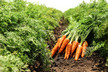
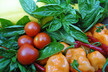
In the Rio Grande Valley, growers produce a wide range of cool-season vegetables, including herbs, kale, spinach, leafy greens, carrots, cabbage, and onions. The region offers more than 300 frost-free days, supporting winter vegetable output. However, acreage dipped slightly due to irrigation concerns. Production depends on water from the Amistad and Falcon reservoirs along the Rio Grande River, where levels remain low following prolonged drought. An expected 202,000 acre-feet water delivery from Mexico on Dec. 15 has not yet been received.
Dry conditions have supported field access and harvest activities, although irrigation constraints remain a concern, particularly for upcoming warm-season vegetables and citrus orchards. Recent cold fronts in the Valley brought temperatures close to freezing but caused no widespread damage.
"It's been a really dry winter, but everything is coming along fine," said Juan Anciso, Ph.D., AgriLife Extension vegetable specialist. "Just steady progress on cool-season vegetable harvests, and the onion harvest should start soon."
Onions remain the primary cool-season crop in the Valley, with around 7,000 of the region's 15,000–18,000 horticultural crop acres planted to mostly mild yellow, white, and red varieties. Produce grown in the Rio Grande Valley generates US$285.6 million in annual production value, according to a 2023 economic impact study by AgriLife Extension's Center for North American Studies.
Anciso noted that vegetable prices in the Valley have generally been lower than in previous seasons. "Prices are on the low side across the board with the exception of beets, maybe," he said. "It would be nice if the growers could catch a break on prices and water, and sooner than later."
In the Winter Garden region between San Antonio and Laredo, recent temperature swings ranged from highs near 80°F to lows around 17°F. Spinach fields close to harvest sustained some freeze damage but are expected to recover. Younger spinach and onion fields appear to have avoided major injury. Cabbage assessments are ongoing.
"We're having a good season so far, but that makes the fifth year that we've had a cold snap in January," said Larry Stein, Ph.D., AgriLife Extension horticulture specialist. "It looks like most of the crops took it OK, but there is always some concern when temperatures go from one extreme to the other."
Across affected regions, drought remains the primary constraint shaping production decisions and irrigation planning.
Source: Agrilife Today