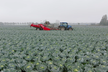
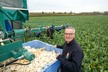
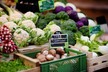
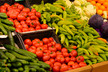
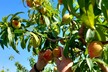
This year, G. Kramer & Zonen will switch its entire cabbage cultivation to organic. Not because they must; it is a deliberate choice, says director Dirk Kramer. "If clients move in a certain direction, at some point you have no choice but to follow suit," he says. This is an unusual decision because the switch is not economically viable, but, according to Dirk, it no longer makes sense to continue conventional cultivation when most sales are already organic.
 © Inge Nederlof | FreshPlaza.com
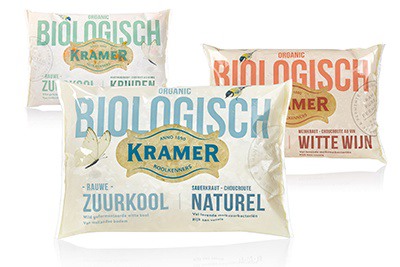
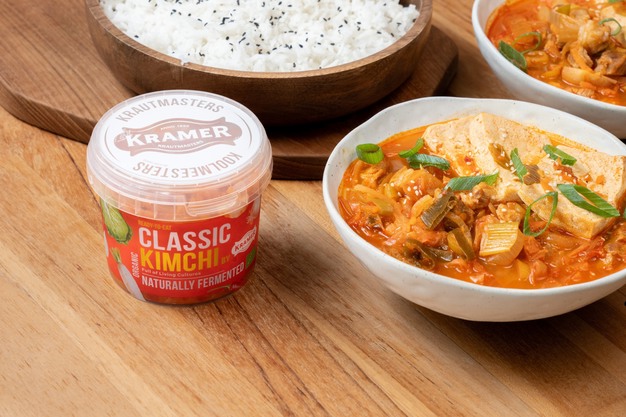
This Dutch family business has been active in cabbage and sauerkraut for five generations. Annually, it processes millions of kilos of white and red cabbage into sauerkraut, red cabbage products, and kimchi. The company has been making organic sauerkraut for over 35 years, and more than half of its turnover is now organic. Organic kimchi is growing particularly strongly. "Last year, we produced a million kilos of that; this year, that should be one and a half million. The demand is enormous."
 © Inge Nederlof | FreshPlaza.com
Own cultivation as pivot
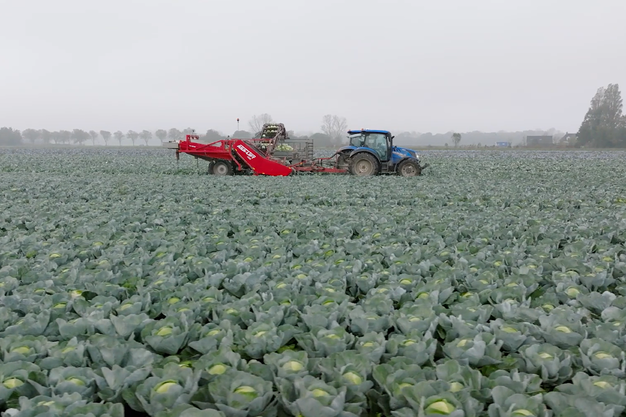
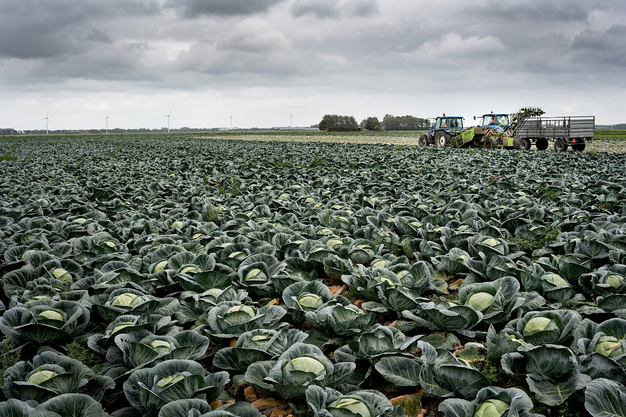
Currently, they grow about 20% of white and 50% of red cabbage for that, but since organic cultivation requires more crop rotation, that share will decrease. "You go from three to five years of cabbage to just under two to five. That means your acreage decreases on balance," Dirk explains. The risk remains manageable because the company's processing branch is larger than the cultivation branch. "If you're completely dependent on cultivation, such a switch is much riskier."
Their own cultivation, however, remains crucial. "That's where we build our knowledge and understand what happens to cabbages. That, in turn, helps with the processing," says Dirk. The factory will, thus, keep processing both organic and conventional cabbage. Kramer wants to maintain existing relationships with conventional growers. "We want to give people the choice of affordability. We don't dictate what customers should buy."
 © Inge Nederlof | FreshPlaza.com
Comparison to HAK
Choosing to farm organically is part idealist, but also part strategic. Dirk compares the decision with HAK, which is going to do less organic. "Organic cultivation is more expensive. You must decide what's more important: sustainability or affordability," he explains. Dirk thinks organic works better for sauerkraut. "Even as organic, sauerkraut remains an affordable product."
Costs, margins, and affordability
Organic cultivation demands more labor, but yields slightly less per hectare. "We must be compensated for our higher costs, as margins are narrow," Dirk points out. Still, he believes it's possible: "We've sold organic sauerkraut for 30+ years. If others can do it, we should eventually be able to as well."
 © G.Kramer & Zonen
Switching, though, requires time and certainty in the chain. "Not every grower can bear that risk," the director remarks. "We can, because we have a large processing plant." For him, the success trajectory is clear: "If in two years' time we're growing good organic cabbage with yields not far below those of other organic growers, for me, it will have been successful," Dirk concludes. (JG)
For more information:
G. Kramer & Zonen
Tel: +31 (0) 226 31 24 26
[email protected]
www.gkz.nl