In just a few weeks, concerns in Morocco have shifted from water insecurity and prolonged drought to apprehension of floods and excessive rainfall. Heavy rains, initially welcomed with celebration and relief, are now a source of great anxiety. Most of the country's dams are at 100% capacity, raising questions about water discharge and inevitable flooding.
The Loukkos basin has been particularly affected, with the scale of the damage leading to the evacuation of the city of Ksar Kebir, which is crossed by the Loukkos River. The neighboring locations of Laaouamra and Larache fared better, but agricultural production in these areas has been severely affected.
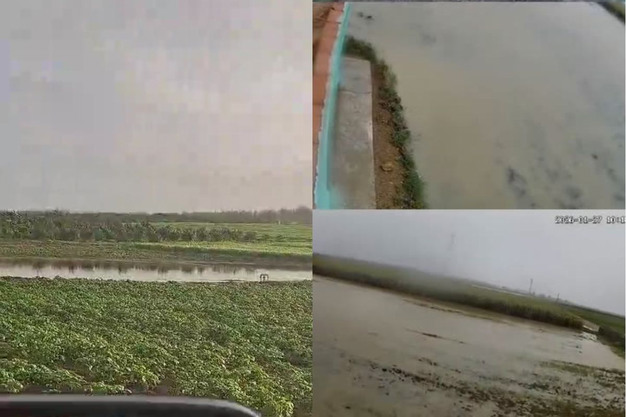 © Oussama Didouch
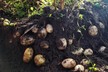
Local grower Oussama Didouch describes the extent of the damage: "Our fields in the Mrissa area, near Ksar Kebir, are completely submerged, the crops are lost, and the season is simply ruined. The fields most affected are those in Ksar Kebir, given their low altitude and location on the Loukkos floodplain, which mainly involves sugar crops, for which the damage is total. Further away from the Loukkos River, around Larache, the damage is less severe but still significant."
According to Didouch, potatoes are the crops most affected in the Loukkos basin. He continues, "The damage varies depending on the altitude of the fields and between localities with sandy soil, such as Laaouamra, where drainage is better, and those with clay soil, such as Arbaoua, where the damage is more severe. The extent of the damage also depends on agricultural practices, with farmers who practice mulching coping better."
One potato producer based in Laaouamra, near Larache, testifies, "The damage is widespread. We are a little far from the Loukkos River, but our land is submerged by rain. The mulch has also been blown away by the wind. Producers who escaped the floods, even those with sandy soil and better drainage, are experiencing a mold infestation, rotting potatoes, and delayed tuber development."
Another potato grower says, "The endless rain over a long period of time has turned potato fields into soup. The damage varies from one grower to another, but I can say that only those who have already harvested are getting through it. Everyone is affected to varying degrees, whether they use mulch or not, at high or low altitudes."
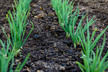
In addition to potatoes, and given their seasonality, other crops in the region are affected by floods and winds, such as soft fruits, sugar crops, and cereals.
For more information:
Oussama Didouch
Chhira Farm
Tel: +212 6870 78008
Email: [email protected]