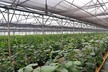
In Australia, the impact of last week's heatwave in the Mid West-Gascoyne region is expected to extend beyond the field, with Carnarvon growers assessing crop damage following record temperatures.
From Tuesday to Thursday last week, temperatures exceeded 40C, with Carnarvon recording a peak of 47.9C on Wednesday. This set a new January temperature record, surpassing the previous high from 2015.
Kevin Burkett, a mango grower in the region, said the heatwave affected the final stage of his season. "The next variety we're going to is probably 90 per cent ruined," he said. "It'll probably end up being about 20 per cent of what we normally would be sending away. And that's going to affect, of course, the markets in Perth as well."
Mr Burkett estimated the financial impact at around US$66,000 and noted that other fruit sectors, particularly grapes and bananas, were likely to face greater losses.
Temperatures fell to a maximum of 28C on Friday, but growers said the cooler conditions came too late to offset the effects of prolonged heat exposure.
Shire of Carnarvon president and mango grower Eddie Smith said there was "significant damage to a lot of crops". "Three days with those temperatures that we experienced is not the norm," he said. According to Mr Smith, banana crops could take between nine and 12 months to recover.
Mel Ford, a scientist who previously worked with the Department of Primary Industries and Regional Development and researched production conditions in the area, said local factors increased vulnerability during heat events. "One of the main strategies within Carnarvon is to irrigate as much as you possibly can during the heatwaves," she said. "Unfortunately, the water that they have available is quite salty, and that's stressing the plants out already. And then you have these extreme temperatures that are putting even more stress on the plant."
Dr Ford also pointed to climate and rainfall patterns. "Carnarvon is a very arid environment. In the past, they would get roughly about 225mm of rain per year. Over the last 15 years, it's only been an average of 191mm per year. Which when you think about how much rainfall that actually is and how much those plants need it, it becomes a bit of a problem," she said.
The Carnarvon Growers Association is collecting data from affected producers, with the full extent of business impacts and potential effects on market supply and pricing still being assessed.
Mr Smith called on the State Government to consider relief measures. "A flood is a weather event and a cyclone is weather event. Recovery funding is made available for those events," he said. "This event is a weather event, and it's quite significant, and I firmly believe that it's in the same vein as some of these other events that occur."
Source: Midwest Times