A rebound in demand for Greek kiwis has been recorded in January, according to Mr. Klearchos Sarantides, director of the Greek cooperative Kavala Coop: "Up until the end of 2025, we had observed a decline in our sales within the European Union of 20% compared to last year. We are, of course, talking exclusively about exports, as our cooperative exports 99% of its kiwis. However, January has brought a recovery in these markets, although since the month has not yet ended, we cannot quantify it precisely."
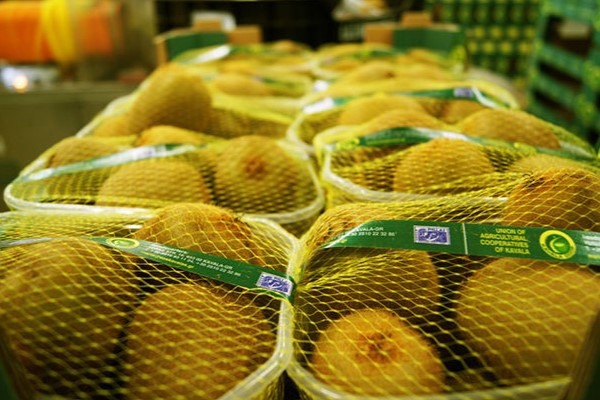 © Kavala Coop
According to official data from the Greek Ministry of Rural Development and Food, the two markets that currently stand out for absorbing Greek kiwis are Brazil and the United States. However, Mr. Sarantides sees even better opportunities in other regions outside the EU: "Indeed, third countries are absorbing a larger volume of product compared to last year. We also see other South American countries, as well as South Africa, Korea, and other countries in the Far East, purchasing large quantities of kiwis."
As for the rest of the season, he does not express concern, even though stocks are higher than last year: "Stocks are slightly higher than last year, due to the initial market conditions I described, but this does not worry us, even if their depletion is delayed by one month, as the quality of the fruit in cold storage is very good. Moreover, I believe that this rebound in demand seen in January will continue."
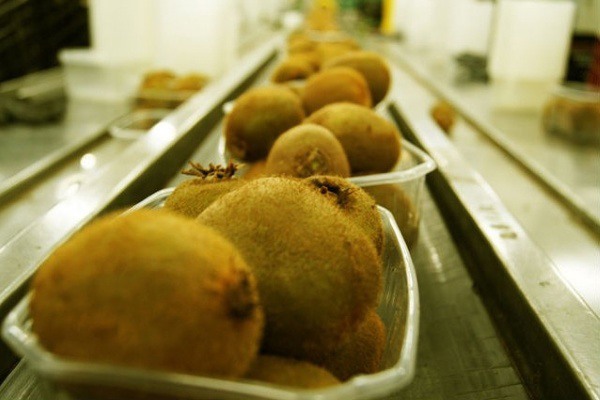 © Kavala Coop
"Since mid-January, the movement of kiwis has become easier for us, as some tractor roadblocks that were on our route have been eased. Others, at the borders, have not. In any case, the roadblocks have led to an increase in road transport costs, as carriers are asking for higher fees, and usually any additional cost that comes in does not go out," notes the director of the Greek cooperative.
Finally, regarding the EU–Mercosur agreement, he does not see any impact on Greek kiwis: "In those Latin American markets, we receive better prices than those we receive in Europe. Though I am not sure whether this agreement will affect us positively, it is certain that it will not have any negative impact on Greek kiwis."
For more information:
Klearchos Sarantides
Kavala Coop
Tel: +30 25108 30184
[email protected]