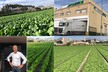
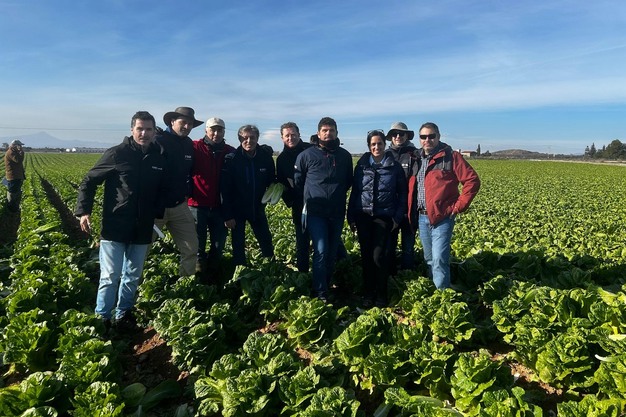
BASF Nunhems has organised two new mini demos to continue demonstrating the adaptability of its iceberg and romaine lettuce varieties in Campo de Cartagena and Lorca, while also presenting its latest developments in both segments.
"These are areas with different climates, and therefore varieties behave differently," explains Carlos del Espino, lettuce account manager at BASF Nunhems. He highlights the robustness of both the company's commercial varieties and its new releases, which allows them to adapt reliably to each production area.
 © Nunhems Spain, S.A.U.
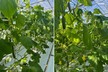
Alongside improvements in field robustness, the seed company continues to strengthen its resistance packages in both iceberg and romaine lettuce. Current materials offer full resistance to downy mildew bremia Bl 29 to 41 EU and to fusarium Fol races 1 and 4, including the new race that is still awaiting official designation.
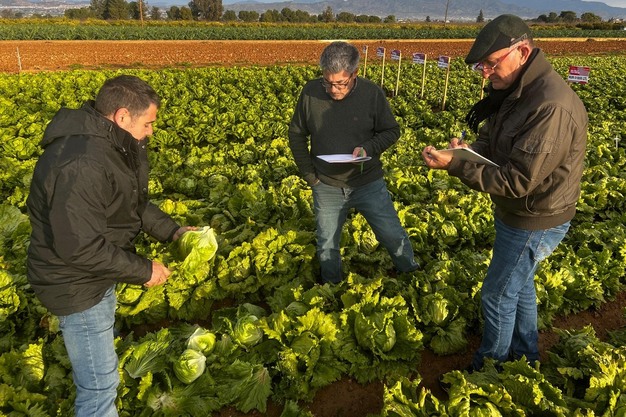
In iceberg lettuce, Puria, introduced last season, is now joined by NUN 01803 LTL and NUN 01806 LTL. Both are positioned for late autumn and winter cycles and combine full resistance to bremia and fusarium. Del Espino highlights their good head formation and size, as well as the fact that they do not rib.
In romaine lettuce, BASF Nunhems is expanding its export-oriented portfolio, which already includes varieties such as Invernal and Sideral, with a new introduction. At the same time, it is presenting a new material for the domestic market, aligned with Olgada. Both new romaine options include complete resistance packages covering bremia, fusarium, and aphids.
 © Nunhems Spain, S.A.U.
Closer to growers
Since December, BASF Nunhems has been running a series of mini demos in Spain's main leafy vegetable production areas, namely Campo de Cartagena and Lorca in Murcia, and Pulpí in the province of Almería.
"Each area has its own specific characteristics," says Del Espino. "That is precisely why growers want to see the crop in their own region and under their usual climatic conditions." Only then, he adds, can they properly assess performance, including behavior in the presence of pests and viruses.
Across all these mini demos, the company has focused on bremia and fusarium, two of the most significant challenges currently facing leafy vegetable production, and on genetic resistance as a key tool to allow growers to continue producing and maintaining profitability.
With this approach, BASF Nunhems once again aligns itself with the demands of the production sector, which is calling for new lettuce varieties that offer agronomic security while also meeting the needs of the wider supply chain.
* Plant breeders' rights granted and application in progress for inclusion in the EC Common Catalog of Vegetable Varieties.
For more information:
BASF | Nunhems
www.basf.com
www.nunhems.com