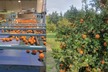
Supermarkets across Malta have experienced gaps and reduced availability on shelves following several days of severe weather that disrupted inbound cargo flows to the island.
Images shared online by Għaqda Bdiewa Attivi showed empty or sparsely stocked sections, particularly in areas normally dedicated to fresh fruit and vegetables. The association said the situation illustrates how quickly food supply chains can be affected when transport links are interrupted.
Over the weekend and into Monday, shoppers reported shortages at outlets operated by LIDL and Eurospin. In several cases, fresh produce was largely unavailable, alongside some meat categories. By Sunday morning, some stores were reported to have run out of most fruit and vegetables.
Both retailers depend largely on daily imports originating from Sicily. While no official statements were issued by the companies, the shortages were widely attributed to delays or cancellations of ferry services between Malta and Sicily. These disruptions were linked to strong winds and rough sea conditions.
Malta has experienced persistent rainfall and gusty weather in recent days. Such conditions can force shipping operators to postpone or suspend crossings for safety reasons, leading to interruptions in the steady flow of perishable goods.
The situation highlights the exposure of island-based food systems to weather-related transport disruptions, particularly where the fresh fruit and vegetable supply depends on frequent maritime connections.
Source: Independent