Spain has started the year under the impact of a new spell of weather instability, bringing persistent rainfall, unusually low temperatures along the Mediterranean coast, and occasional snowfall at low elevations. This latest weather front is reaching the Andalusian coast just days after the intense storm at the end of December, which hit several production areas particularly hard.
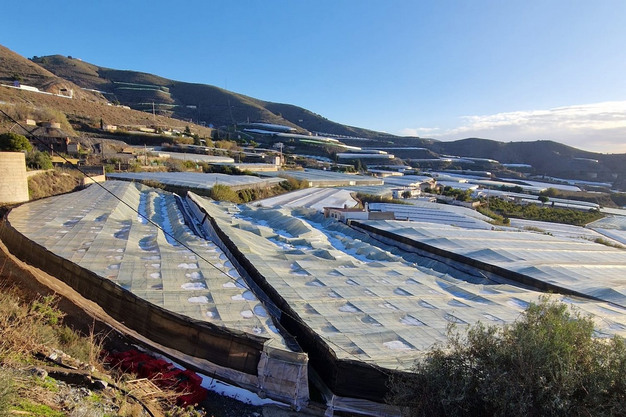
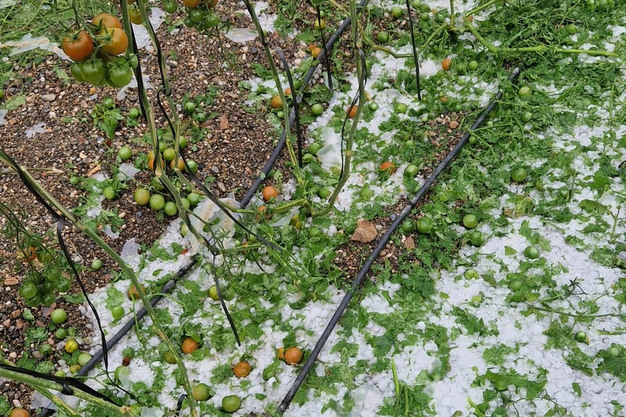
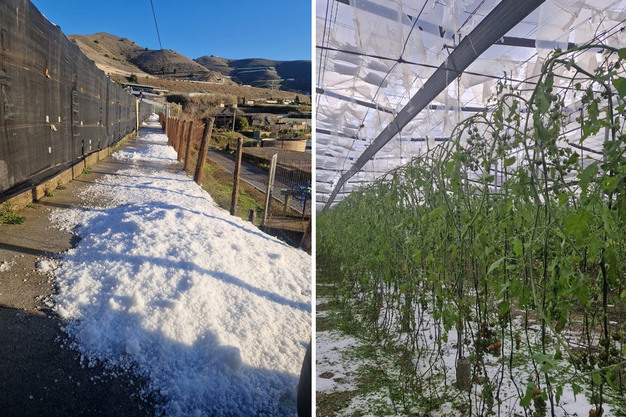
On Granada's Costa Tropical, the agricultural impact of that episode is still being assessed. According to Miguel Monferrer, head of COAG Granada, a severe hailstorm hit the areas of Carchuna, Motril, and Castell de Ferro in the early hours of Sunday, 28 December. "In some areas, the accumulation of hail was so heavy that the weight could not be supported by the greenhouses, causing partial and total structural collapses," he explains.
 © COAG Granada
The growers' organization has carried out an initial damage estimate, placing the affected surface area at between 10 and 15 hectares. "Farms here usually range from 5000 square metres to 1 hectare, so we are talking about around 20 to 25 affected holdings," says Monferrer. He adds that while there were initial fears of a much larger-scale disaster, the damage ultimately remained limited to very specific zones.
 © COAG Granada
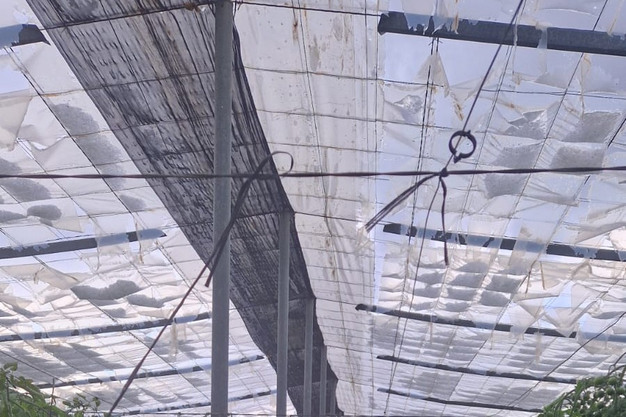
Inspections carried out by COAG in the days that followed revealed very different situations, from completely collapsed greenhouses to structures that remained standing but suffered torn or perforated plastic due to hail, particularly in areas such as Puntalón and Los Tablones. "Fortunately, in these zones the greenhouses did not collapse entirely as they did in other locations," the provincial representative notes.
 © COAG Granada
COAG is stressing the importance of risk management in the face of this type of extreme weather event. The organization has urged growers with agricultural insurance to report damage as soon as possible. "Some farms are more than 30 years old, and insurers do not want to cover the structures, leaving many producers in a very vulnerable position," Monferrer warns. "For these cases, COAG is preparing a formal request to the Regional Ministry of Agriculture to ask for specific support measures for farms affected by hail and rain, as has already been done in other hail-related situations, such as last year in El Ejido."
 © COAG Granada
Cucumbers at 2.30 to 2.40 euros per kilo in some packers
While the final damage assessment is being completed, the sector is closely watching weather forecasts for the coming weeks, which are a key period in the production calendar. "We are in the middle of winter, and December has been truly wintry, whereas in other years we came from almost spring-like conditions," says Monferrer. "On the Granada coast, the main crops at this time of year are cherry tomatoes in their different types and cucumbers, especially Almería type cucumbers, which also account for most of the hectares affected by the hailstorm."
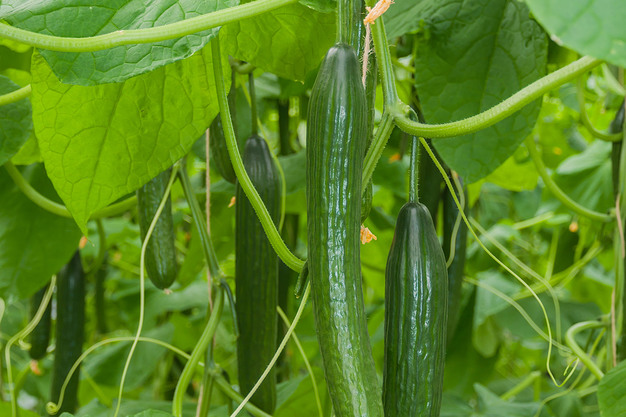 © Ruud Morijn | Dreamstime
Persistent cold and low solar radiation over the past week have had a clear impact on crop development. "With cold conditions and days with almost no sun, production slows down and ripening is delayed," Monferrer explains. "However, this slower flow of product into the market is having a direct effect on prices."
"In the case of cucumbers, one of the vegetables most affected by the hail in this part of Granada, the current market situation is particularly favorable for growers. Dutch cucumbers are achieving very good prices and continue to rise, close to 2 euros, and in some packing houses they are already being paid at between 2.30 and 2.40 euros per kilo."
For more information:
COAG Granada
[email protected]
coagandalucia.com