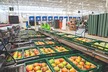
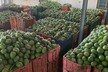
Spanish authorities seized more than two tonnes of cocaine concealed in a shipment of pineapples arriving from Costa Rica at the Port of Algeciras in December. The interception took place on December 11 during an inspection by the Servicio de Vigilancia Aduanera, which operates under Spain's Tax Agency.
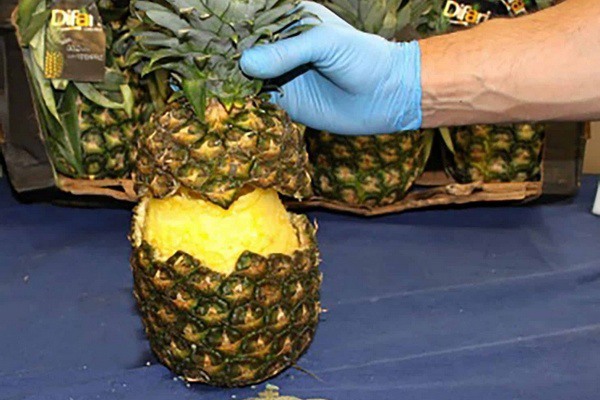
The container was transported aboard the CMA CGM Better Ways, a Malta-flagged vessel operating regular routes between Central and South America and European ports. While the ship carried multiple containers, narcotics were found in only one. Inspectors discovered more than 2,000 kilograms of cocaine hidden within the pineapple cargo.
 © Spanish Police
According to investigators, traffickers used the "gancho ciego" method, in which drugs are placed inside containers carrying legitimate goods without the knowledge of exporters or importers. At the destination, criminal groups remove the original seal, extract the narcotics, and replace the seal to avoid detection during standard checks.
No arrests have been reported in connection with the seizure. The container arrived alongside two others that were cleared following inspection. Spanish authorities disclosed details of the operation through local media on December 29, stating that the cocaine was likely intended for distribution networks across Europe.
The case follows earlier interceptions at the Port of Algeciras involving fruit shipments from Central America. Pineapples and other high-volume fresh produce categories are frequently used because of the scale and frequency of legal trade flows entering Europe through southern ports.
Costa Rica continues to feature in international drug transit routes. According to the Global Organized Crime Index published in November, the country ranks 16th out of 193 nations for cocaine trafficking. In October, Dutch authorities seized 583 kilograms of cocaine and 3 kilograms of methamphetamine from a steel machinery container originating in Costa Rica.
Costa Rican officials have not commented publicly on the Spanish seizure. The incident draws attention to control measures at export ports such as Limón and Moín, where containers are loaded for European markets, and to ongoing cooperation between exporting and importing countries in monitoring fresh produce supply chains.
Source: Tico Times