Someone buying a soft avocado or juicy mango at a European supermarket might think that is how they come off the tree. Not so. A stop at a ripening facility is needed, especially for overseas fruit. Ripening specialist Niels van Hassel from Logistics Business Partners (LBP) helps add those finishing touches every day. "I see myself as helping Mother Nature," he says. "I speed up or slow down what's necessary, but rushing is rarely a good idea."
 © L.B.P.
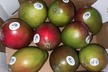
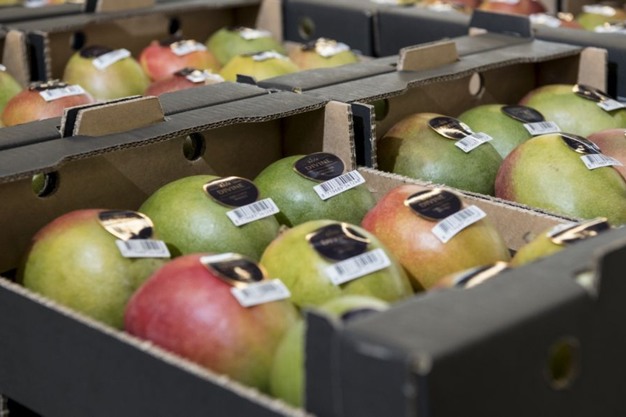
LBP used to mainly ripen bananas. These days, this Dutch company focuses primarily on avocados and mangoes. "These fruits are growing the fastest," says Niels. LBP recently ripened mangoes from Brazil and the last Peruvian avocados. LBP also has experience with plantains, kiwis, kiwi berries, stone fruit, and papayas. Retailers want to offer consumers ready-to-eat fruit, which has driven strong growth in demand.
Dry matter quality and Brix: measured is known
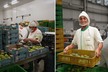
Upon arrival, each piece of fruit's quality is checked. "I work with 15 different origins, each with its own characteristics. Early in the season, dry matter content can be especially challenging." For kiwis, the Brix content, which indicates sugar concentration, is measured. That, and pressure measurements, says a lot about taste and texture. Kiwiberries, mostly from Poland, often arrive hard, and LBP gets them to near-ripe.
 © L.B.P.
The company's customers determine the desired result. "We don't own the fruit," explains Niels. Sometimes it goes to supermarkets, sometimes to sushi restaurants, with completely different specifications. Ripening advice is thus a vital part of the work. Sometimes that is: do not ripen. "If the dry matter content´s too low or the fruit's poor quality, I say so honestly. You can't force the ripening process and not lose quality."
Flexible ripening cells
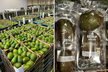
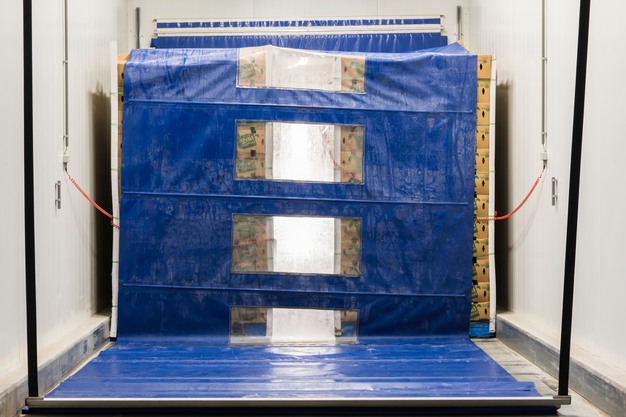
LBP has eight multifunctional ripening rooms for 80 pallets. "Our flexibility is distinctive," Niels points out. The computer-controlled rooms precisely regulate temperature, humidity, and ethylene levels per fruit type and desired ripening stage. The company helps clients without ripening facilities, as well as those with their own cells who need extra capacity. They can process small batches, from as few as four pallets. Besides ripening, LBP offers services like drying ginger and physalis, controlled cooling of fruit that has arrived too warm, and improving citrus fruit color.
 © L.B.P.
During ripening, avocados can lose seven to eight percent of their weight. "If it stays in the Netherlands, it can ripen quickly. If it's going to Germany or further, I ripen it a little less so it doesn't overripen on the way." Despite the computer-controlled rooms, Niels does not rely on AI to make decisions. "I manage everything myself. Ripening isn't factory work. Every batch is different. It's about giving nature a helping hand, but ultimately, nature sets the limits. You must respect that," he concludes. (PB/PDC)
For more information: 
L.B.P. Rotterdam BV
Honderdland 50
2676 LS Maasdijk
Tel: +31 174 530550
[email protected]
www.lbp.net