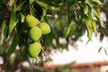
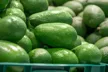
This season's mango campaign in Peru is facing concerns from producers and exporters due to harvest issues. Angel Gamarra, president of Promango, states that an analysis of potential harvest volume and the practices of exporters, intermediaries, and collectors shows the fruit is being harvested with low soluble solids (Brix) and lacking the characteristic pulp color, indicating the mangoes have not yet fully ripened.
Gamarra warns that "fruit is being harvested 15 days early," which could reduce export volume by 10-20%. The producer price is 2.25 soles per kg, with an upward trend due to fruit scarcity in San Lorenzo, Piura, the main producing area. This supply shortage affects shipment quality, especially for fruit requiring heat treatment for Asian markets, leading to conservation and ripening issues.
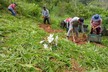
After a tour of the area and consultations with multiple growers, there is consensus: green, unripe mangoes are being harvested. This practice could cause significant quality issues in international markets and damage the reputation of Peru's industry. Gamarra highlights that the current campaign emphasizes prioritizing quality over strict export schedules, as shipping unripe fruit harms both producers' interests and Peru's reputation as a reliable supplier.
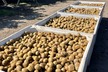
Milton Calle, a sector specialist, estimates December shipments at 350-500 containers per week, which equals about 150-250 containers for Europe in January. Calle notes that 'weekly harvest volumes should be at least 30% lower.' Still, a significant amount of unripe fruit is being sent to both the U.S. and Europe, likely causing quality problems at the destination. This issue stems from exporters prioritizing harvesting schedules over quality.
Calle states that Peru is experiencing a decline in fruit availability this season, though quantifying the exact extent is challenging. This decline, combined with early harvesting and the shipment of unripe fruit, could harm Peru's reputation for mangoes in global markets. Ultimately, the expert emphasizes that maintaining high quality should be the top priority. Selling unripe fruit not only harms producers but also risks damaging Peru's image as a dependable supplier worldwide.
Source: agraria.pe