Sweet potatoes remain an important crop for growers in the Midsouth, contributing about US$90 million to Louisiana's economy. In 2025, stable acreages and higher-than-normal prices supported growers despite challenges related to inputs, labour, and production efficiency.
The weather created contrasting outcomes in Louisiana and Mississippi. Louisiana State University specialist Cole Gregorie said, "We had a lot of early rains, much like we did last year. May and the first part of June were pretty wet. But like last year, our growers were able to get in and plant between the rains. They really saw some excellent root sets because of that." Louisiana producers rely on early moisture, followed by controlled irrigation. Gregorie noted that "we're also about 95% irrigatable land here in Louisiana compared to some of our neighboring states like Mississippi, where that number is much lower in the 20% to 30% range."
In Mississippi, transplanting was delayed by heavy early rainfall. Mississippi State University specialist Lorin Harvey said, "We started off with record levels of rainfall in the very beginning that pushed transplanting back probably about two weeks later than usual." After that, rainfall dropped sharply, with growers reporting totals of 6.5 inches to as low as 2 inches for the season. Harvey said, "You just really need more than 6.5 inches of rain to grow good potatoes." Dry weather aided Louisiana by reducing hurricane events, which can introduce bacterial and fungal pressure.
Yield patterns differed sharply. Louisiana growers reported near-record yields driven by high numbers of market-preferred-sized roots. Gregorie said, "The yields that we captured this year were not because the potatoes were just grown larger. For the fresh market, people tend to want a smaller-profile, very uniform sweet potato, and that's a lot of what we saw." Mississippi yields were about 30 per cent below average, with size profiles shifted toward smaller roots due to moisture stress. Harvey said, "Normally, you get a good bell curve, but this year that whole bell curve was shifted down toward the smaller size profiles."
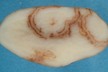
Growers also faced quality issues. Skinning was a concern in Louisiana during harvest. Gregorie said growers relied on watering and careful timing of de-vining to reduce damage. In Mississippi, Streptomyces caused cracking. Harvey said, "It is a bacterium that lives in the soil. It's super common, but it's always way worse in dry years." Some fields experienced yield losses of up to 85 per cent.
Despite variable conditions, growers continue to see value in the crop. Gregorie said, "It's a very expensive crop to grow. In Louisiana, its economic value exceeds that of all our other horticultural crops combined. But there can be a lot of reward in it for producers."
Source: FarmProgress