Fiji's Minister for Agriculture, Tomasi Tunabuna, says the country's agricultural exports entering New Zealand will need to meet high-quality standards to compete with established suppliers. The minister led a week-long scoping mission to New Zealand, meeting importers and government representatives in Wellington and Auckland to review processes, costs, and compliance requirements.
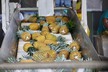
The visit coincided with a commercial trial shipment of three tons of Ripley Queen pineapples exported to Auckland on 5 November after completing New Zealand's biosecurity inspections. Tunabuna said, "The shipment passed all stringent biosecurity and quality requirements set by New Zealand authorities, confirming the high standards maintained in local production from pest management and post-harvest handling to cold-chain systems and packaging."
New Zealand's pineapple imports largely come from the Philippines and Costa Rica, which already have market access. According to Tunabuna, the Fiji trial shipment creates potential for expanded access in New Zealand and other markets and may offer income opportunities for rural growers. He described the shipment as "a symbol of our country's agricultural ambition and our unwavering commitment to excellence."
Fiji's Ministry of Agriculture plans to continue engaging with New Zealand stakeholders to maintain and improve compliance systems. During meetings with New Zealand's Minister for Trade and Investment, Nicola Grigg, discussions covered food-waste reduction, climate financing, climate-resilient crop research, and progress under the PACER Plus Agreement, including work on non-tariff measures.
In meetings with the Minister for Regional Development, Shane Jones, and officials from the Ministry for Primary Industries, discussions focused on Fiji's goal of increasing horticultural and export capacity. Tunabuna said, "Improving our biosecurity systems and building on existing trade frameworks will ensure that Fijian farmers benefit from predictable, safe, and efficient market access."
Fiji's export strategy includes widening the entry for fresh produce into New Zealand. Products such as taro, cassava, bhindi, beans, and taro leaves are currently sold through North Island supermarkets, retail outlets, and weekend markets. Samoa and Tonga also export taro, yams, and cassava into New Zealand, with diaspora communities involved in import and retail activity.
The minister said Fiji will continue directing efforts toward upgraded biosecurity systems and broadening access for fresh produce, noting that regional partnerships remain central to the country's export plans.
Source: RNZ