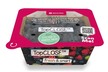
Packaging plays a central role in Kenya's export supply chains for flowers, fruits, and vegetables. For products moving into European markets, cartons determine whether flowers arrive intact or whether perishable produce maintains quality after long-distance transport. Kenyan carton manufacturers continue to adjust designs and materials to meet grower requirements, logistics constraints, and market specifications.
Corrugated cartons remain the primary format for fresh produce. The material absorbs impact, resists compression, and limits contamination risk. For cut flowers, carton makers use moisture-retaining components, internal dividers, and vented sections to manage airflow and keep stems stable during transport from regions such as Naivasha and Timau.
Maintaining the internal microclimate is a core focus. Corrugated material allows air exchange to limit ethylene accumulation. Some manufacturers are testing modified and controlled atmosphere formats for longer sea freight routes. For maritime consignments, thicker paper grades and coatings are used to address humidity and temperature fluctuations.
Grower feedback has led to several design adjustments. One development is pallet-sized skidding boxes that match standard pallet footprints. These allow packing and palletizing at the farm rather than the airport. According to one Naivasha exporter, "We've cut down time and traffic between the farm and the airport, and our flowers arrive in better condition." Reduced handling and shorter turnaround times have been reported by growers using this system.
The development process typically begins with a grower challenge related to damage reduction, airflow management, or carbon reduction targets. Carton engineers and designers then produce adaptations suited to specific commodity and route requirements.
Visual presentation is another area of focus. Flower exporters often use printed cartons or subtle branding to influence product perception. Packaging forms part of the unboxing experience in the flower supply chain, where design, freshness, and aroma shape customer response.
Efficiency in storage and logistics is addressed through lightweight and stackable formats. Standardized labeling supports correct handling through the supply chain. Some manufacturers integrate barcodes or RFID tags for traceability, allowing exporters to monitor temperature deviations or delays in real time.
Sustainability also shapes current design choices. Kenya's carton industry largely relies on recyclable and biodegradable paper-based materials. Some facilities have adopted self-locking systems that reduce or eliminate metal staples, supporting recyclability and lowering weight. Producing design, printing, and testing under one roof reduces internal transport needs and shortens production timelines.
Kenya's packaging manufacturers continue to refine carton systems for both air and sea freight to align durability, handling efficiency, and environmental considerations with the requirements of the country's horticultural export sector.
Source: Floriculture