"The United States sweet potato market is good," says Pablo Fitskie, CEO of Scott Farms International. That family business with roots in that country grows and sells, among other things, sweet potatoes. "For exports, the question is how good the harvest will be. Initial reports show it looks reasonable, but in mid-September, harvesting had only just begun, and it was too early to draw any conclusions."
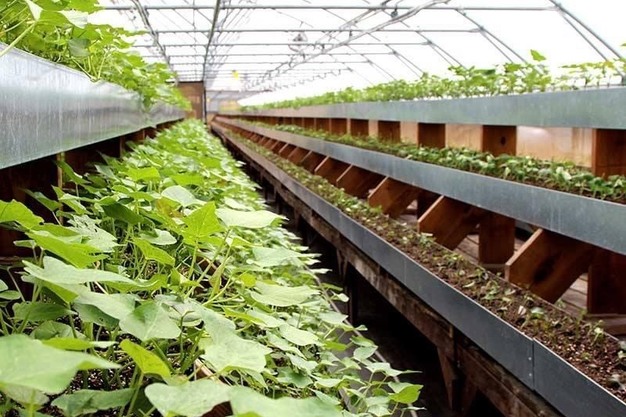 © Scott Farms
Besides the harvest, Egypt, and the dollar exchange are factors, too, says Pablo. "US sweet potato exports will continue this year, even though there's slightly more competition from the cheaper Egypt. That country, however, uses different cultivation methods and varieties than the United States, so you get a different product," he says.
Strong growth in the industry sector
Pablo notes that an increasing amount of sweet potato volumes is going to the industry. The many new emerging markets, like animal feed and sweet potato powder, have led to strong growth there. He considers that good for market expansion. "Products such as sweet potato fries, cubes, and wedges are becoming common in Europe. Other products, like sweet potato powder, mainly used in the industry sector, aren't yet as well-known. Such products will probably also become more common."
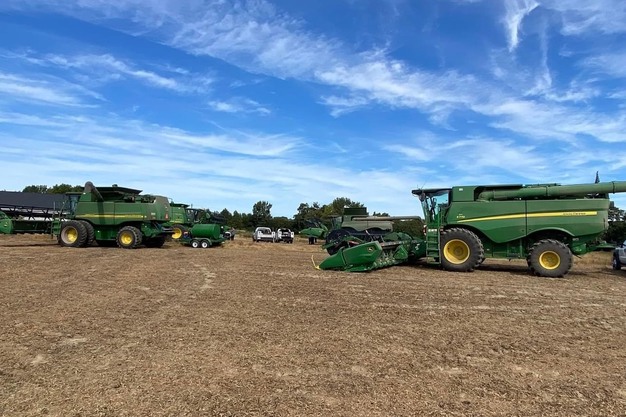 © Scott Farms
Pablo doubts it will stop there, either. "I see demand for sweet potatoes increasing, but in diversity, not the standard product," he explains. The CEO believes there is still a place for sweet potatoes in the fresh market, noting that demand for fresh products is growing less rapidly than for industrial use. That will affect the fresh market. "There are, of course, retail programs, but a new player demanding large sweet potato volumes has entered the market."
Fresh market
According to Pablo, the advantages of frozen sweet potato products are partly causing the fresh market to lag. But he sees the fresh market requirements becoming increasingly stringent, too. "That's a general trend for fruit and vegetable products," he points out. "Our products, though, still grow in nature; people often forget that. You sometimes have to spend a lot of money you can't recoup to meet those standards."
 © Scott Farms
"The industry's demands on processed sweet potatoes are on a different level. You must consider that, and so growers are increasingly choosing industrial cultivation. As a grower, do you want to go to extremes with all the associated risks, or do you opt for good money and no hassle? That's happening in Egypt, too," concludes Pablo.
For more information:
Pablo Fitskie
Scott Farms International
Tel: +31 0174 232201
M: +31 (0) 6 14688484 |
[email protected]
www.scottfarmsinternational.com