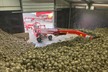
In Hungary, field vegetable producers and processors of sweet corn, green peas, and green beans have faced difficulties in recent years due to both weather and market conditions. These crops remain the most important raw materials for the domestic food industry, especially the freezing and canning sectors. Production areas have decreased, making it increasingly difficult to secure the raw material volumes required by processors. Maintaining farmer participation and cultivated area is considered essential for the sector, with reduced administrative burdens seen as a way to improve competitiveness.
Harvesting of these open-field vegetables takes place continuously during the ripening period, around the clock, and in line with processor schedules. Under previous legislation, producers or their integrating organizations were required to apply for an EKÁER number for each shipment. This required administrative staff to be available 24 hours a day from the start of pea harvest in late May to the end of the second-crop sweet corn harvest in late October. EKÁER records carry tax implications and must remain verifiable for five years. The 24-hour administrative requirement added costs without contributing to production or value creation.
The National Chamber of Agriculture, together with the FruitVeB Vegetable and Fruit Interprofessional Organization, began advocating for the abolition of the EKÁER obligation for these crops in 2022. Although the initial proposal was rejected, an order amendment published in the Hungarian Gazette has now removed green peas, green beans, and sweet corn from the list of risky products. As a result, the EKÁER notification obligation no longer applies to these product groups.
The exemption is not expected to result in any tax loss for the state. Production and sales of these crops are based exclusively on pre-signed contracts between processors and farmers, typically arranged at the start of the year. Processors contract their entire capacity in advance to guarantee supply. This eliminates the possibility of free-market sales without contracts. Production, sale, and transport are carried out under strict regulation and control, ensuring that transactions cannot take place without proper accounting documentation.
Source: Trade Magazin