More tax analysts have joined the NFU in calling for changes to the UK's family farm inheritance tax rules, following a new report by the Centre for the Analysis of Taxation (CenTax). The report is the first public impact assessment using HMRC data on proposed reforms to Agricultural Property Relief (APR) and Business Property Relief (BPR).
The study, The impact of changes to inheritance tax on farm estates, estimates that each year 480 farm estates would face higher inheritance tax under the proposed changes. Of these, 50% of owner-farmers, tenant farmers, and mixed tenure farmers would pay more, compared with 20% of non-farming landowners. Many estates unaffected by the reforms earn less than 20% of their income from farming, suggesting the proposal may disproportionately benefit landowners with agriculture as a minor activity.
 © NFU
© NFU
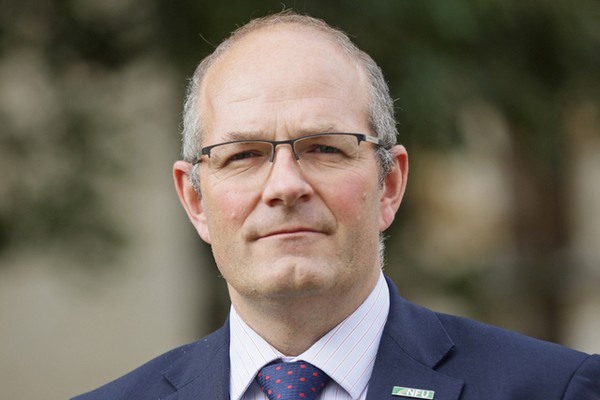
NFU President Tom Bradshaw said, "This is not a fair and balanced approach to reform and does little to counter those who seek to shelter wealth from inheritance tax by simply investing in farmland." He added that the report presents "a positive and timely opportunity ahead of the Finance Bill for fresh conversations with government and officials."
CenTax accessed HMRC inheritance tax data from 2018–2022, the same dataset used by government analysts for policy modelling. This allowed them to assess the effect of the government's proposals on past tax returns and to test alternative policy approaches.
The report found that 86% of affected farm estates could meet their inheritance tax liabilities by selling non-farm assets, but around 70 estates per year could not do so, even by selling all such assets. These businesses would need to pay the remaining tax from future profits over 10 years. Over 80% of impacted estates belonged to individuals aged 75 and above, compared with 68% in the wider UK population.
CenTax proposed several amendments to the policy:
Minimum share rule: Estates where APR and BPR assets account for at least 60% of the deceased's net worth would receive a higher combined allowance of US$6.33 million (£5m) free of tax, with 50% relief above that level. Those failing the 60% test would lose reliefs entirely. This could raise 71% more revenue than the current proposal.
Upper limit on relief: 100% relief would apply on the first US$2.53 million (£2m) of APR and BPR assets, 50% relief on amounts up to US$12.66 million (£10m), and no relief above that.
Combination approach: Applying both the minimum share rule and the upper limit could raise 99% more revenue than the current proposal, according to CenTax.
 © NFUFor more information:
Jo Rector
NFU
Tel: +44 (0) 2476 858 686.
Email: [email protected]
www.nfuonline.com