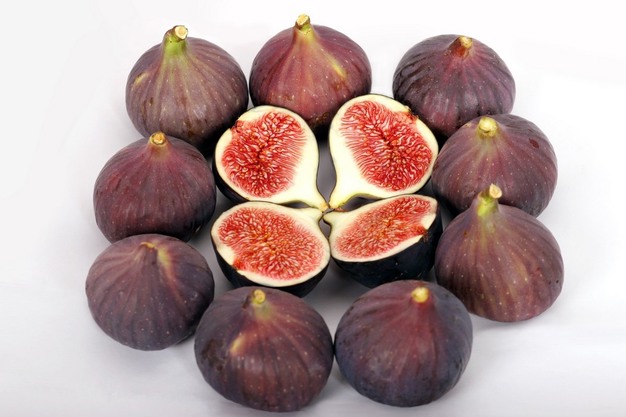
The Turkish fig production has seen an increase over the past years, says Bilal Aşkar, managing partner, responsible for business development for Aşkar Tarım Ltd.: "As the name suggests, the Turkish Black Fig is grown mainly in the Bursa region of Turkey and holds a unique place in Turkish exports. Due to an exponential increase in demand in global markets, particularly in the EU, Far Asia, and Canada, it is now also being grown in different regions of the country. This provides for expanding the harvest calendar and, naturally, increases overall supply. In 2023, Turkey exported 15,959 tons of Bursa Black Figs. In 2024, this number rose to 18,067 tons."
 © Askar Tarim
According to Aşkar, the most famous of the Turkish figs will be harvested in the second half of August. "In Turkey, the fig season begins early in the Mersin-Adana region, with the Mor Güz variety, followed by the Aydın region with the Aydın variety, and the Bursa region, the latter being the most famous one and having a Geographical Indication registration by the European Union. By far the most of the export comes from Bursa, where harvesting typically starts in the second half of August and continues until the end of October, depending on the weather."
 © Askar Tarim
Aşkar states that the spring frosts have caused some damage, but the Bursa area was not hit as hard: "This past spring, unexpected late frosts damaged many crops across the country. However, fortunately, the Bursa Black Fig was only slightly affected. The frost damage was mostly prominent in lowland areas. Luckily, because figs grow on new branches each year, trees in affected areas still managed to produce fruit on their later-growing shoots. Nevertheless, these fruits are likely to ripen later in the season and may be smaller than usual."
 © Askar Tarim
"Despite the frost, the overall fig yield is not expected to drop this year. New fig orchards are starting to produce fruit, which should help maintain average production levels. However, one ongoing concern is the lack of rainfall due to climate change. Even though farmers are irrigating more than usual, limited water resources pose a challenge. If rainfall remains low during the growing season, there is a risk that some fruit may fall early or remain undersized," Aşkar concludes.
For more information:
Bilal Aşkar
Aşkar Tarım Ltd.
Tel: +90 224 371 84 18
Mobile: +90 541 271 94 31
[email protected]
www.askartarim.com