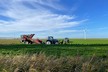
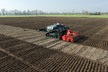
Heavy rains and cold, wet weather have severely impacted the cabbage harvest in Latvia. Many farmers were unable to plant up to 15% of their planned fields, and on some plots, up to a third of the cabbage either failed to grow or was damaged. Excess moisture has also led to significantly smaller cabbage heads, while pests have further worsened the situation.
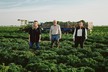
Dimdiņi Agro, which typically harvests around 6,000–7,000 tons of cabbage annually from 100 hectares, now predicts this year's yield to be about 3,000 tons, half of last year's harvest. The company's board member, Oskars Brediks, warned that losses could reach up to half a million euros.
The harvest started late this year, only on August 5th, compared to mid-July last year. The average cabbage head size has shrunk from around two kilograms to about one kilogram.
Other farms have also reported significant losses, with at least 45% crop reduction in some fields. Elīza Ilze Malceniece, agronomist at Bračas farm, noted that some cabbage appears weak and shows signs of disease.
Uldis Jaunzems, Chairman of the Latvian Association of Fruit and Vegetable Traders, confirmed that both the quantity and quality of the harvest are worse than last year. The late harvest, combined with high moisture levels, may lead to reduced product quality.
Due to the shortage, cabbage prices in stores are expected to rise by 20–30%. However, the market is unlikely to face shortages, as missing supplies will probably be imported from neighboring countries to meet demand.
Source: rus.lsm.lv