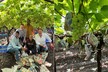
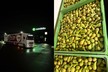
The spring hail continues to affect the agricultural sector. In Zaragoza, Spain, the storms depleted stone fruit crops that were not covered by hail mesh, a protection that is now essential.
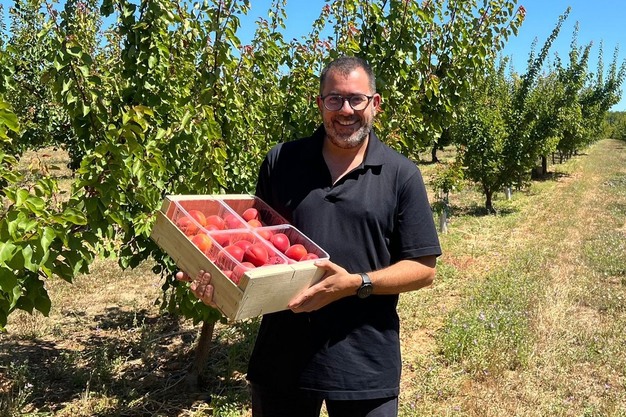
"We produce 7 million kilos of apricots per year. We also produce flat nectarine, donut peaches, and some plums. All together, it adds up to 10 million kilos, 90% of which goes to European supermarkets. This year, however, we have 50% fewer apricots in Zaragoza due to the spring storms," stated Franck Secalot, commercial director of Albice Fruits.
 © Albice Fruits
"We expected to produce more than 14 million kilos of fruit this year, but only produced 10 because of the storms," he added. That doesn't automatically mean we'll have better prices. Sometimes the weather also puts consumers off." Regarding sizes, he said: "We do well with size AA and slightly smaller sizes for baskets. Apricots abroad don't need to be as large as they are on the Spanish market."
"The French varieties work very well in this area because we have quite a few cold hours. We're working with breeders from all over Europe to select the best varieties for our soil and climate. Flavor comes first, then color, and thirdly, the tree must be productive and self-pollinating. The latter is crucial," he stressed.
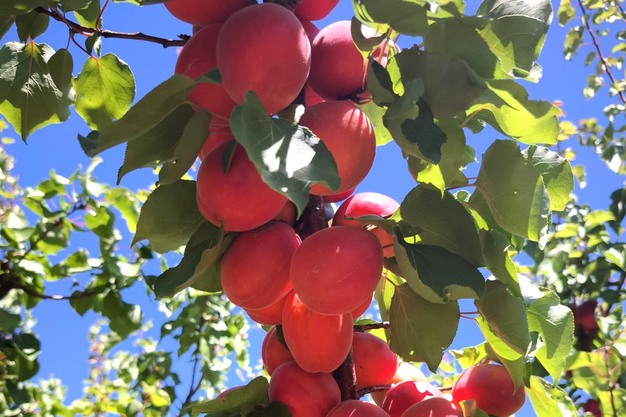
The hail had the same impact as in the region around Lleida. "Apricot crops were very affected. We were only able to harvest 3.5 million kilos, and we even have to throw some of that away. It's been a very difficult year. Donut peaches were less affected. Fortunately, we had the flat nectarines and plums under netting, so they were spared."
 © Albice Fruits
"Fruit production must adapt to climate change"
Climate change is forcing the sector to take action. "Everything we plant now is protected with mesh," Secalot said. "We want to expand the apricot acreage, but always with protection. In addition, we already have 5 antifreeze towers and paraffin lamps. We are also testing real-time weather forecasts and an AI system that predicts the best harvest time and helps protect against extreme weather. The future of fruit growing lies in adapting to fewer cold hours, more heat, less water, and more intense storms."
"We've also been affected by water restrictions, so we've learned to grow crops with less water. We have a system that measures the water in the soil and the sap flow in the tree. Agriculture is becoming increasingly technical. It's the only way we'll manage to adapt to the new conditions," Secalot said.
Apricot harvesting requires expert work. "Pruning and thinning must be done very precisely. We prefer to work with a specialized team, although that's not always easy to find. Agriculture is using more and more technology. As a grower, you have to keep up. Consumers will have to understand that all these adjustments drive up costs," Secalot concluded.
For more information:
Franck Secalot
Sales Director
Albice Fruits
Tel: +33 6 33 24 73 41
Email: [email protected]
https://albicefruits.com