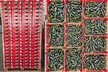
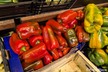
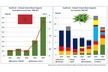
Once an economical meat alternative, vegetables such as tomatoes now sometimes surpass chicken breast prices, indicating shifting food cost dynamics. Historically, eliminating meat from meals was a cost-saving strategy, attributed to the lower processing demands for produce compared to meat. However, consumers today find that peppers, strawberries, and cherries can exceed meat prices.
The decline in home-based produce cultivation has led to increased shopping and related expenses. Despite year-round availability of most fruits and vegetables, transporting and producing out-of-season items is costly. Growing tomatoes in heated greenhouses or importing strawberries involves energy and logistical challenges, surpassing the costs of summer outdoor production. Additionally, adverse climatic conditions may reduce seasonal yields, further driving up prices.
Consumer spending rises even as purchase quantities decrease. The market's logic is straightforward: limited supply combined with persistent demand leads to price hikes, particularly for fruits and vegetables during poor harvest seasons. Climate change, energy costs, and labor shortages are central to the price surge, according to artificial intelligence analysis.
Severe weather events, like frost and drought, impact open-field crops, reducing yields without affecting demand, thus pushing prices higher. Greenhouse farming, reliant on heating, lighting, and watering, faces rising energy costs post-energy crisis. Labor shortages and increased wages compound the issue, making plant production sometimes pricier than industrial meat production.
Source: Trade Magazin