In the 2025 season, Peru's citrus sector is showing clear signs of recovery from the climate challenges that affected it in 2023. "Up to week 27 of this year, exports have grown by 29% over the same period last year, highlighting the recovery of early varieties such as Satsuma (+88%), Primosole (+200%), Nova (+112%), Eureka lemon (+233%), and Tahiti lime (+29%)," stated Sergio del Castillo Valderrama, general manager of ProCitrus.
"Mandarins continue to lead exports, accounting for 65% of the total volume exported. Late-flowering varieties such as Murcott, Tango, and Nadorcott grew from 144,000 tons in 2023 to 195,000 tons this year. But the real boost came from the rebound of the early mandarins, which had fallen by 50% in 2023 and could now grow by up to 150%," he said.
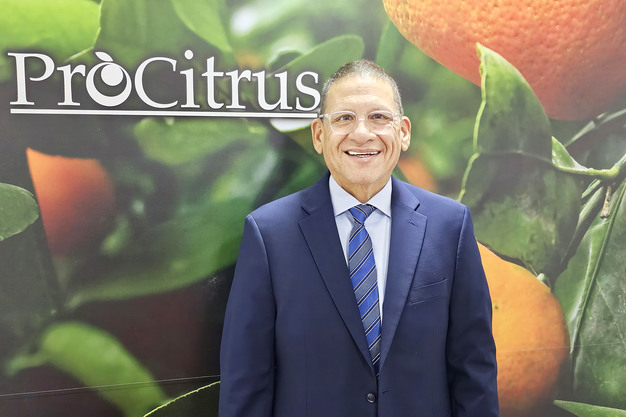
The cultivation area has remained relatively unchanged since 2021. "The repeal of the Agrarian Promotion Law and the increase in logistics and labor costs have discouraged new investments, especially in a sector where margins are low and most producers are small and medium-sized," Del Castillo said.
"Citrus is sensitive to costs. A 10-cent variation can cost producers a third of their profit," he stressed. If no new trees are planted, exports could stagnate by 2030, he warned.
"The United States market remains stable, but there's been notable growth in Europe (+106%), Asia (+103%), and Russia (+174%). The latter, however, still receives small volumes. The boom in shipments to Central America (+73%) is explained by shorter transit times, which allow for the delivery of fresher and more competitive fruit. In contrast, exports to China and Japan have decreased due to logistical problems and the sensitivity of citrus to long transits that cause aesthetic damages that affect its reception at destination," he said.
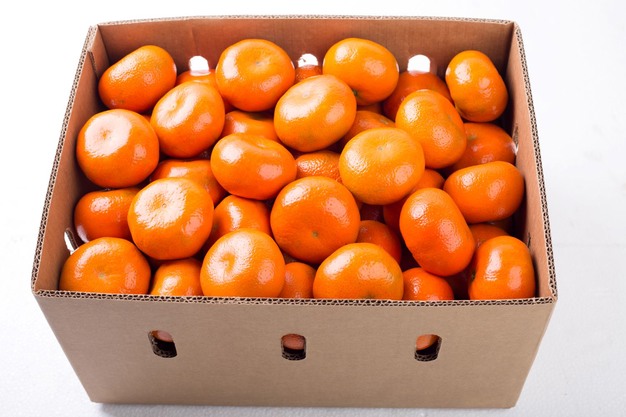
Varietal diversification is also a priority. New patented varieties are being tested to fill the gap in April and May, which countries such as Chile or South Africa can cover. Tahiti lime continues on the rise and could even reach 50,000 tons this year, consolidating itself as a product with strong international demand and local acceptance.
"The approval of a new agrarian law and the improvement in rural security are key to promoting investment, especially in areas in the south of the country that have the greatest potential to produce good-colored citrus. However, without structural support, the competitiveness of Peruvian citrus is at risk of declining, despite the global success of recent years," concludes Del Castillo.

For more information:
Sergio del Castillo Valderrama (CEO)
ProCitrus
Av. Nicolás Arriola 314 Of. 903
Lima 15034 - Peru
Tel: +51 1 226 1952
Email: [email protected]
www.procitrus.org