India's cold-chain infrastructure has transformed over recent years thanks to rising consumer demand, technological advances, and government support. Ddhairya Gandhi, from Mumbai-based supply-chain solutions provider ColdStar Logistics, shares insights on this evolution and how the industry is addressing key challenges.
Gandhi explains: "What were once separate cold storage units are now connected end-to-end supply chains, spanning farm-level collection to retail distribution." He cites reduced food waste and growing demand for fresh, traceable products as primary reasons for this progress.
 © Coldstar Logistics
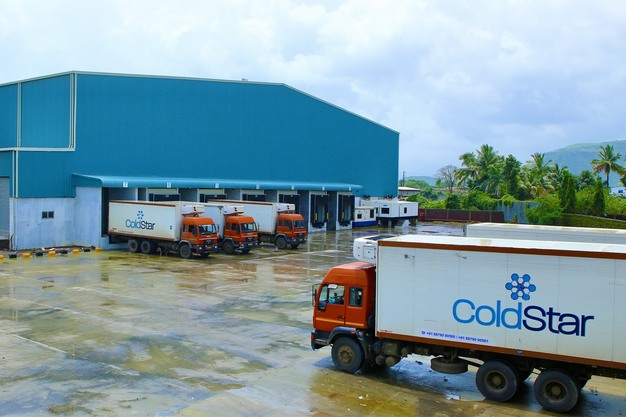
Cold-chain companies now operate extensive networks of distribution centers and transportation hubs, preserving product quality across food, healthcare, retail, and ambient sectors. ColdStar's coverage spans over 7,000 pin codes across 200 cities, managing hundreds of thousands of square feet of logistics space and tens of thousands of pallets.
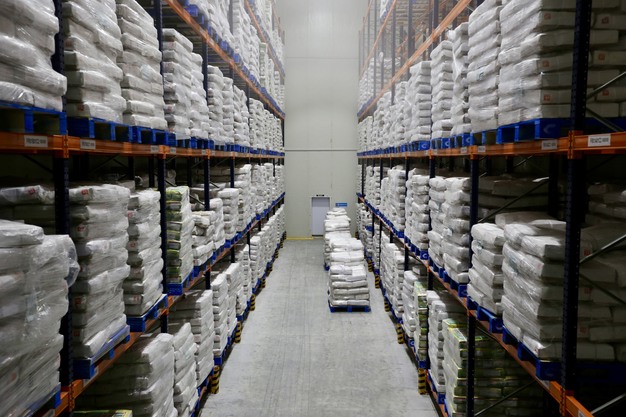
However, Gandhi highlights that integration between collection, storage, and distribution still remains weak, with transit losses worsened by poor packaging and limited cold-chain access in remote areas. He shares how ColdStar is working to fill these gaps: "We are addressing cold-chain challenges through cluster-level models that serve multiple farmers and buyers using shared infrastructure, technology-enabled tracking of temperature and routes, customer-specific Standard Operating Procedures (SOPs), and thorough training of ground teams to maintain quality," he says.
 © Coldstar Logistics
According to Gandhi, weather disruptions further complicate matters: "Unseasonal rainfall, extreme heat, and flooding delay harvests, cause fungal infections, and block logistics. To account for these risks and sustain supplies, buffer stocks, flexible routing, and short-term cold storage near hotspots help."
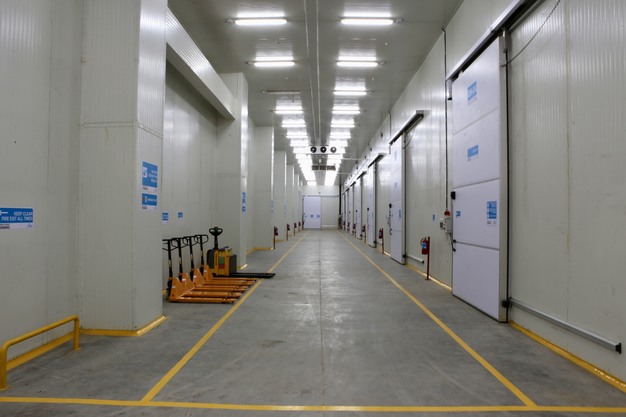
During difficult seasons like the monsoon, ColdStar enforces tighter controls, maintaining vehicle hygiene and loading procedures to prevent cross-contamination. They follow real-time monitoring of temperature and humidity, allowing early intervention if required. "Risk-aware route planning helps avoid flood-affected routes, minimizing delays."
 © Coldstar Logistics
Looking ahead, Gandhi points to growing consumer expectations for fresh, clean, and traceable food, driving hyper-local logistics through quick commerce and e-grocery growth. "Government programs such as PM Gati Shakti and National Horticulture Mission subsidies continue to facilitate infrastructure investment, while IoT sensors, route optimization, and digital inventory management are becoming mainstream in technology adoption."
ColdStar plans to digitize gate scanning and expand into underserved areas. "Our roadmap includes expanding into underserved clusters and digitizing operations from gate scanning to handover, while ensuring zero stock-outs," Gandhi concludes.
For more information:
Ddhairya Gandhi
Coldstar Logistics
Tel: +91 84 54 008 304
Email: [email protected]
www.coldstarlogistics.com