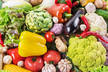
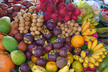
Uzbekistan's export policy has oriented towards diverse markets, indicating a new phase in its economic landscape. The Center for Economic Research and Reforms (CERR) reports that from 2019 to 2024, the nation exported fruits and vegetables to 73 countries. This surpasses the 2019 figure by five nations.
This trajectory highlights enhanced quality demands, international product adaptation, and logistical improvements. These factors align with Uzbekistan's entry into competitive global markets. Despite a wider export geography, the primary export volume remains concentrated on five main buyers, accounting for 71.7% by the end of 2024, down from 83.8% in 2022.
Russia leads as the largest importer at 38.7% in 2024, followed by Pakistan (13.5%), Kazakhstan (12.6%), China (8.9%), and Afghanistan (8%). The share to CIS countries declined from 69.4% to 57.7%, reflecting shifts towards other regional marketplaces.
The exports to European Union countries slightly rose from 2.1% in 2019 to 2.4% in 2024, showcasing a focus on quality and diversification of export routes. CERR's geographic diversification index confirms stable expansion in export directions, meeting diverse international standards.
European markets demand rigorous sanitary and environmental standards. Uzbekistan's compliance signals favorable progress. Enhanced promotional activities, new partnerships, and simplified certification could boost export volumes. Focusing on organic product exports may raise the European market share.
Modern logistical strategies, agrotechnical advancements, and participation in international exhibitions assume roles in expanding Uzbekistan's "export map." While Russia, Pakistan, and Kazakhstan are primary buyers, export geography gradually evolves, driven by quality, competitiveness, and international compliance.
Source: Zamin