A shrinking international trade window due to the advance of producers in the Northern Hemisphere and a sustained rise in logistics costs have led Chilean apple producers to focus more on varietal diversification in the 2025 season.
 © San Clemente
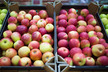
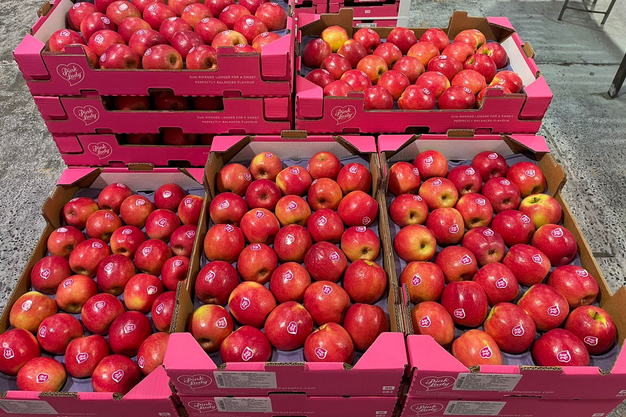
The apple campaign is underway for the Chilean company San Clemente, which aims to export around 4 million boxes in the 2025 season. This was reported by Martín Toro, the company's commercial manager, who said that more than 70% of this volume corresponds to the Royal Gala, Pink Lady, and Fuji varieties, while the rest includes new varieties such as the Evercrisp, Cosmic Crisp, Ambrosia, Honey Crisp, Envy, and Jazz. "We are halfway through the season. The harvest ended more than a month ago, but we'll continue handling fruit until September, and exporting it until November," he said.
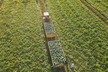
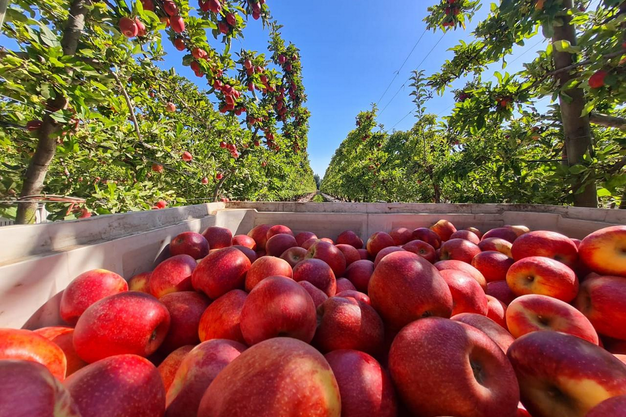
The season has been marked by an overall improvement in the volume and quality compared to 2024. "The weather was challenging at the beginning, with extreme temperatures in January and February taking a toll on the color of the first crops. However, our plantings in Angol and San Clemente, which are cooler areas, allowed us to keep the supply in good condition," says Toro. He also says that packing yields have been better and that varieties such as the Pink Lady have weathered the rains during the harvest without suffering any major damage.
 © San Clemente
As far as market behavior is concerned, San Clemente continues to deliver apples to a wide range of destinations in Europe, the Middle East, Asia, and Latin America. "The Royal Gala is very versatile and is sold all over the world. With the Fuji, we focus on Taiwan, and the Pink Lady goes mostly to Europe and the UK," he says. India has shown "a lot of interest" in the Royal Gala due to a shortage of local supply and better prices.
The picture in the U.S. is different. "We see a structural drop in the demand, because states like Washington are covering their own domestic consumption throughout the year, and the impact of the 10% tariff is also making us less competitive," he says. Also, Toro says that competition from the Northern Hemisphere has narrowed the export window for southern countries.
 © San Clemente
Logistics costs have been one of the biggest hurdles this season. "Freight rates are 1,500 dollars more expensive per container than last year, which implies a drop of between 1 and 1.5 dollars per box in the FOB price," he says. Despite this, markets such as the Middle East have shown better returns, and in Europe, even though prices remain stable, the exchange rate has been favorable.
 © San Clemente
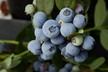
San Clemente is also committed to diversifying its international supply. In Peru, they are planning to export 900,000 kilos of organic blueberries this year through a project in Moquegua, following a varietal change and the adoption of the Mega Crisp, Mega Early, and Mega One. "These have a better shelf-life, large calibers and an exceptional flavor," says Toro. The company is also now starting to harvest cherries in the UK, with 80 hectares intended for the British market and part of Europe, in an effort to maintain its presence all year round.
"Although Chile's apple production is decreasing in some areas, at San Clemente we remain committed to this crop with a long-term view," says Toro.
 For more information:
Martín Toro
San Clemente
Chile
[email protected]
www.sclem.cl