The German apricot harvest began in calendar week 23 with the early variety Tsunami. "Although we are starting the new harvest a little later than last year, we are still a few days ahead of the normal schedule. The fruit set is good across the board, so we are starting the season with quite positive prospects," reports Ulrich Zott, fruit grower and owner of the fruit farm of the same name in Ustersbach, west of Augsburg.
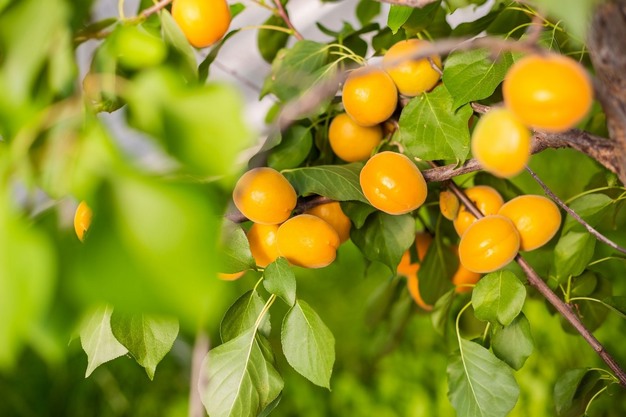 © Obsthof Zott
The first apricots of the season are usually slightly smaller. One of the main varieties is the market-standard Orangered, which is expected to be available from the end of calendar week 24/beginning of calendar week 25. "The Orangered is very popular with our customers because its taste is unbeatable, but it is very complicated to grow. This is mainly due to extreme fluctuations in yield," says Zott, who sells most of his fruit through his own farm shop. The most popular variety is the medium-sized fruit with a diameter of around 5-6 cm.
Zott first came into contact with apricots during his apprenticeship in the late 1990s. In the early 2000s, he tested numerous varieties before venturing into commercial cultivation in 2009. Since then, the southern fruit has been growing and thriving on around three hectares. "The local microclimate is simply too cold and too wet for apricot cultivation. However, the cold is not so much the problem, as the trees can withstand sub-zero temperatures in winter. The situation is more critical when there are extreme weather fluctuations, such as in 2011, when temperatures dropped from +10 to -20 in January," recalls Zott. This ultimately caused extensive damage to the trees, so that almost the entire plantation had to be replanted.
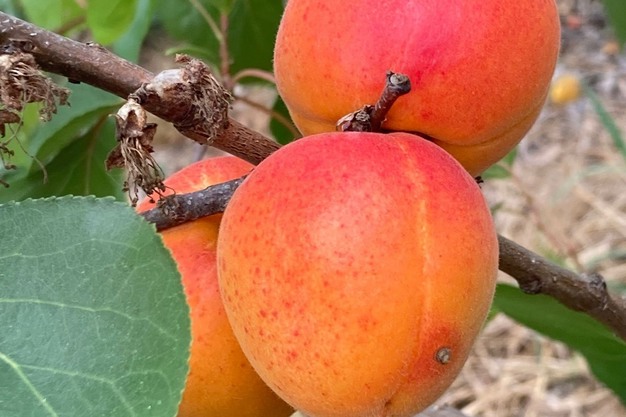 © Obsthof ZottTo offset the higher labor and energy costs to some extent, prices were raised slightly compared to the previous year.
Extension of the harvest window
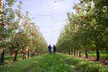
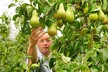
The family-run fruit farm relies on a wide range of products, including stone fruits such as sweet and sour cherries, plums, nectarines, and peaches, raspberries and blueberries, top fruits such as pears and a wide variety of apples, as well as walnuts and Christmas trees. "Our blueberry plantation is currently being expanded and planted with earlier varieties so that we can start the season earlier. We are now testing some late varieties of apricots, as we are aiming to extend the harvest window until early to mid-September in the medium term." Until now, the campaign has usually ended in early August.
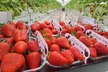
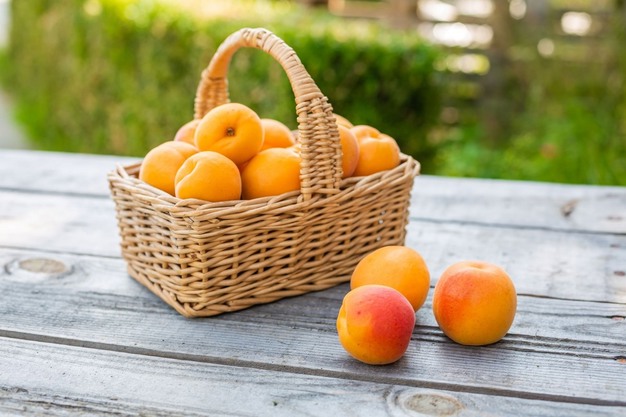 © Obsthof ZottThe apricots are mainly packed in 1 kg wood pulp trays or 5 kg cardboard crates. For raspberries, however, smaller containers of around 250 grams are common.
For more information:
Ulrich Zott
Obsthof Zott GbR
[email protected]
www.zott-obsthof.de