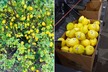
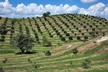
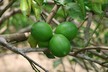
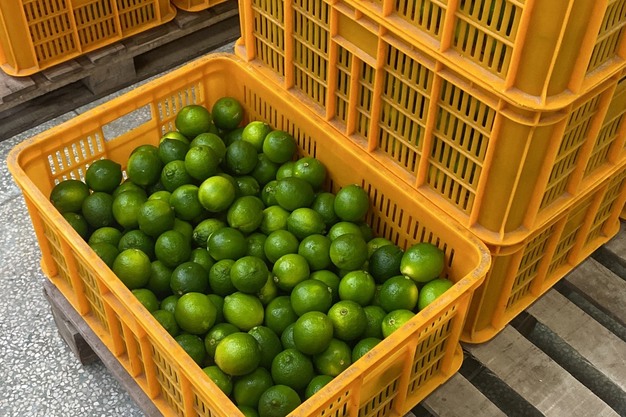
Limes are mostly grown in the Mekong Delta region of in Vietnam. This area offers fertile alluvial soil and a tropical climate, both of which are ideal for lime cultivation. Vietnam exported around 31.500 tons of limes globally in 2024, worth around 43 million USD.
 © Niet Potentieel
Chris Catto-Smith, Regional Agro Logistics Expert in Vietnam, facilitates lime exports for a group of growers. He said, "We export over 2,000 tons of limes annually to various markets around the world. Despite being a new entrant, we already have about 6% of the market. Our main markets include Europe, the Middle East, and parts of Asia. Each market has its requirements, so we adapt accordingly."
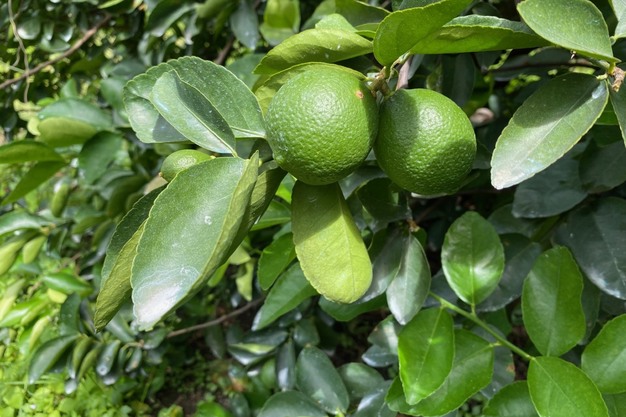
The tropical climate and the fertile soil in Vietnam's growing areas mean that Vietnam can export limes year-round.
 © Niet Potentieel
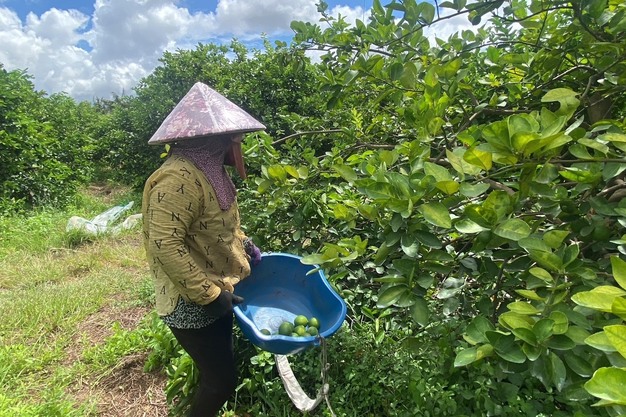
"Growing conditions have been generally favourable, but like in many agricultural regions, we are also facing challenges from climate variability. However, with good farming practices, world-class logistics handling standards, and support from our agronomists, we are able to maintain stable production.
 © Coolport Asia
Logistics "One of the main challenges we face is longer transit times compared to other lime-exporting countries such as Brazil or Mexico. For European markets, strict certification and pesticide residue requirements can also be challenging. We focus on strong management at the farm level to grow healthy fruits with good resilience, which helps them withstand long journeys. Additionally, we work closely with a team of agronomists to train farmers in pest control and proper use of agrochemicals, ensuring compliance with international standards."
For more information:
Chris Catto-Smith
[email protected]