The first half of May marked the beginning of the apricot season for Agricor-Gallo di Corigliano Rossano (Cosenza), a Calabrian producers' organization that cultivates 300 hectares of apricot trees, and the season is now in full swing. The organization's production calendar extends until the end of July, and its fruits are categorized as conventional, organic, zero-residue, or premium.
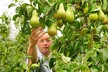
Reduced production driven by lower volumes in Italy and Europe 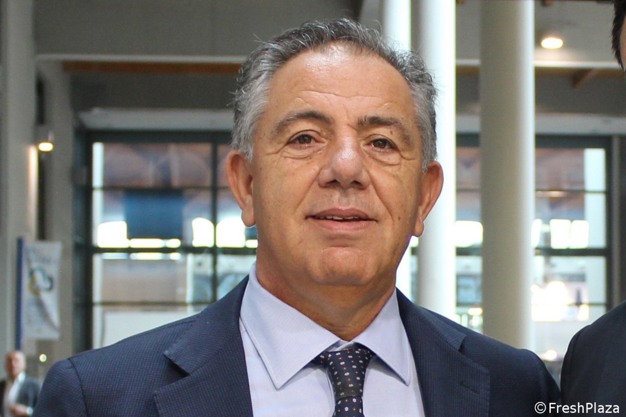 © OP Agricor-GalloThe 2025 season begins with an unfavorable production outlook due to an adverse spring, which affected the potential of the main production areas in Italy, including Calabria. "In the Sibari plain, where our orchards are concentrated, the situation is extremely complex, as you can imagine," says Natalino Gallo, president of Op Agricor (pictured). "Some plots are producing fruit, while others are not. This is the result of unstable weather conditions. After the flowers bloomed, we had 15 days of high levels of humidity and frequent rainfall, which affected pollination and consequently the setting of fruit. Frost also caused damage."
"Right now, we can see that the weather over the next few weeks will have a significant impact on what happens. "From an agronomic point of view, our producers have done everything they could," Gallo adds. "Now, we are relying on the weather. With the steady rise in temperatures, we expect the varieties in the field to reach their optimal level of sweetness and develop their full aromatic profile."
 © OP Agricor-Gallo
Op Agricor's varieties and calendar
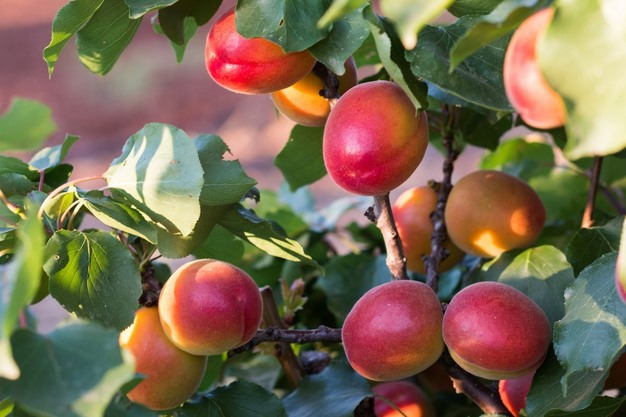
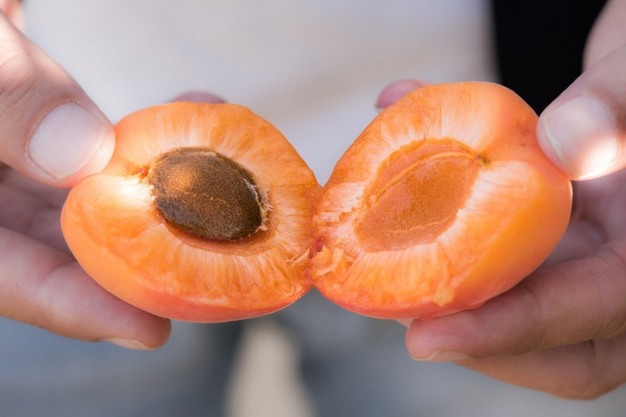
Now that the early cultivars are on the market, the first varieties with a superior organoleptic profile are arriving. These varieties, including Tsunami, Domino, and Pricia, are known for their exceptional taste and aroma. The Eccelsa line, the company's premium segment, will debut around 10 June and continue until the end of July.
A market facing less foreign pressure
The limited availability of products beyond national borders creates interesting opportunities for well-structured companies that offer quality products. "There is less pressure from foreign countries, which can translate into greater opportunities for those who can guarantee high standards," Gallo explains. "The market outlook is positive. This season, demand is high and supply is low. Prices will rise reasonably, and we hope this situation will offset some of the lost gross saleable production in the countryside."
 © OP Agricor-Gallo
A new phase for Italian apricots
Gallo concludes with a reflection that sums up the structural changes the sector is undergoing: "Until five or six years ago, the problem was sales. Today, it is production." The climate presents us with new challenges every year, so the technical and organizational capabilities of agricultural businesses are becoming increasingly important. At Agricor, we're making investments to tackle this issue, recognizing that only top-quality, sustainably grown fruit will meet market standards."
Photos provided by the OP Agricor-Gallo Press Office
For further information:
www.gallofrutta.net/it