The Midelt region, located in the high Moroccan plains at an altitude of over 1400 meters, is the country's apple-growing stronghold. The region was once renowned for its rich water resources and frequent snow. However, seven successive years of drought have left a trail of havoc among growers. Have recent rains lifted spirits? Apple grower Abdeslam Halkhoms shares his insights.
 © Abdeslam Halkhoms
The long-awaited rains that showered the Midelt region in March were generous, exceeding 384 mm. Halkhoms says, "We've been waiting desperately for consistent rainfall, and we're very pleased this year. The rains came just before the flowering period, which went very well in March. The current season is shaping up to be a good one, although the risk of frost becomes more present after the rains, with the possibility of storms in June."
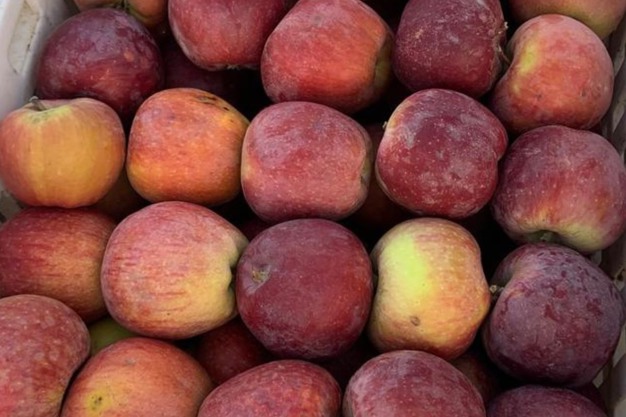
"We grow several varieties of apples, including golden and jeromine, which we sell exclusively on the local market. Our season starts at the end of August with the early harvest and runs through to October. We are carrying out our farming operations as usual. After flowering, we start with irrigation and anti-mite treatment. We're expecting a stable season, whether in terms of production costs, seasonality, or overall volumes," the grower continues.
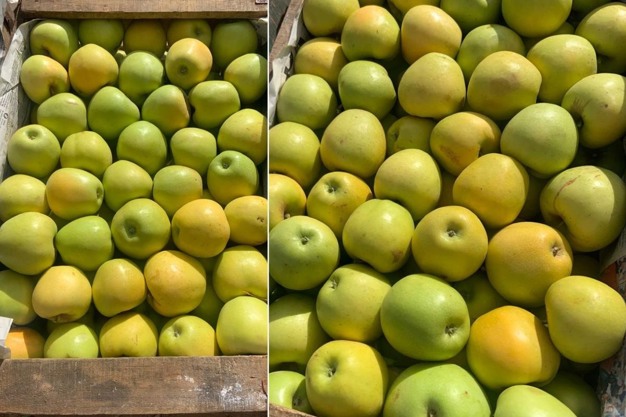 © Abdeslam Halkhoms
Despite recent rains, Halkhoms remains reluctant to increase his acreage. He explains, "The drought period has been tough, and we still don't know if we're out of the woods yet. The agricultural sector in general carries great risks nowadays, and we have to think twice before making a decision. We'll see by next season if rainfall is consistent enough for an acreage or tree-density increase."
Unlike the Souss Massa region, where the seawater desalination plant offers a guarantee of operation and exports justify investment, the Moroccan apple sector does not benefit from these security factors. On the contrary, the local market is increasingly dependent on apple imports, especially from Spain.
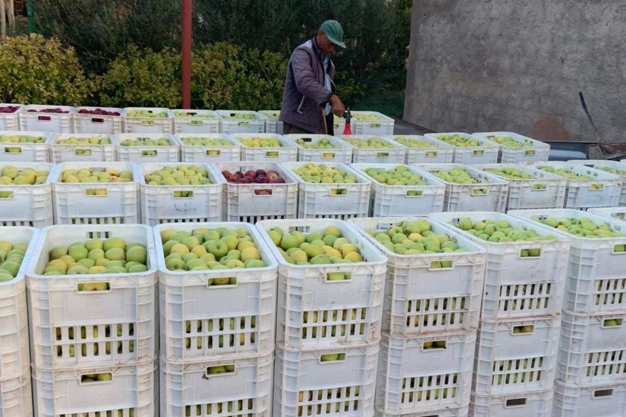 © Abdeslam Halkhoms
According to earlier statements, a nurseryman had indicated that orders for fruit trees in the region fell sharply in 2024 compared with an average pre-drought year.
"We trialed other top and stone fruits that should do well at the same altitude, such as cherry trees, but it didn't work. We are currently experimenting with plums and will see how it goes. In the meantime, we'll stick to apples on the same acreage," the grower concludes.
For more information:
Abdeslam Halkhoms
Hiba Badr Farm
Email: [email protected]